Can an mRNA Cancer Vaccine Really Prevent Cancer From Coming Back?

Would you take a vaccine if it could help prevent your cancer from returning?
For years, the idea of a cancer vaccine has sounded almost too good to be true. Vaccines are usually associated with preventing infections, not treating someone who has already developed a life-threatening disease.
But a new clinical trial from Moderna and Merck has brought that possibility considerably closer.
The companies say their personalized mRNA cancer vaccine, combined with an existing immunotherapy drug, reduced the risk of melanoma returning or patients dying by 42% compared with the immunotherapy alone.
That sounds extraordinary. But does it mean scientists have finally developed a vaccine that can cure cancer?
Not quite.
The treatment was tested in people whose melanoma had already been surgically removed. Its purpose was to help their immune systems recognize and attack cancer cells that might remain.
And the most interesting part may be how the vaccine is made: each patient receives a treatment designed around the unique genetic mutations in their own tumor.
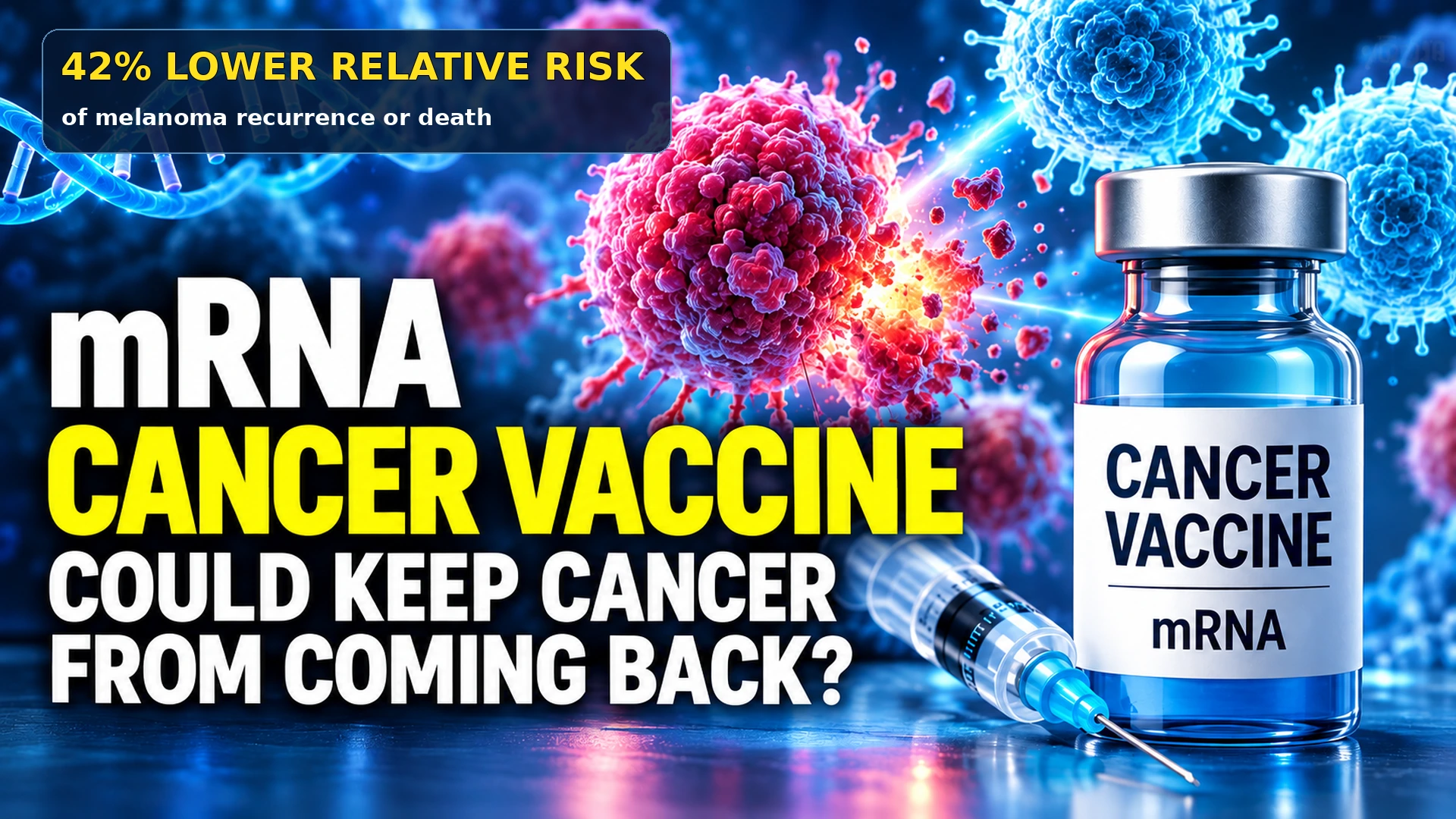
※ Images in this article are AI-generated illustrations created to help explain the story. They are not actual photographs, and depictions of people, places, or events may differ slightly from reality.
The findings are promising, but they also raise important questions about what the numbers actually mean, who might benefit, and how close this treatment is to becoming available.
What Did Moderna and Merck Actually Discover?
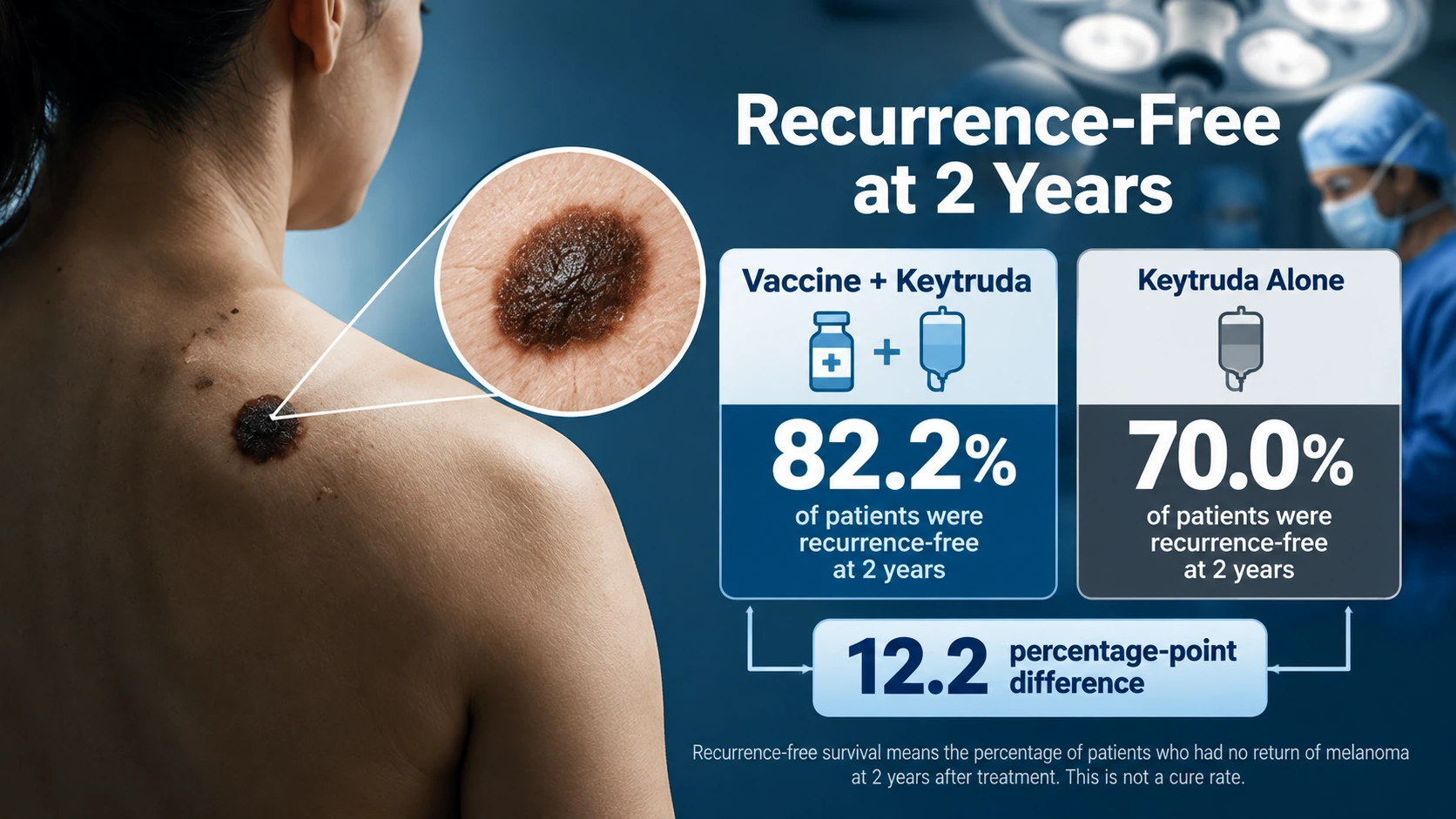
The discovery was that adding a personalized cancer vaccine to an established treatment helped more melanoma patients remain alive without their cancer returning.
On October 22, 2026, Moderna and Merck released detailed results from their Phase 3 INTerpath-001 clinical trial. The results were originally scheduled for presentation at the European Society for Medical Oncology congress in Madrid on October 24.
The companies had already announced in August that the trial met its main objectives. The October disclosure provided the specific numbers behind that announcement.
The study enrolled 1,137 patients with high-risk stage IIB through IV cutaneous melanoma whose visible cancer had been completely removed through surgery.
Participants were randomly assigned to receive one of two treatments:
- A personalized mRNA cancer vaccine called intismeran autogene, combined with Merck’s immunotherapy drug Keytruda.
- Keytruda combined with a placebo, without the personalized vaccine.
After a median follow-up of 24.6 months, researchers reported a 42% reduction in the relative risk of cancer recurrence or death in the combination-treatment group.
At the two-year mark, the estimated results were:
| Trial outcome at 2 years | Vaccine + Keytruda | Keytruda alone |
|---|---|---|
| Alive without melanoma recurrence | 82.2% | 70.0% |
| Alive without distant cancer spread | 88.5% | 80.2% |
The first comparison represents a 12.2-percentage-point improvement in two-year recurrence-free survival.
The study also found a 38% relative reduction in the risk of distant metastasis or death. Distant metastasis means cancer spreading to another part of the body.
These results were statistically significant, according to the companies’ released data. (Merck and Moderna · Reuters)
That gives researchers evidence that the new combination can meaningfully improve outcomes after melanoma surgery.
It does not, however, establish that every patient will benefit or that those who remain cancer-free after two years have been permanently cured.
Isn’t a Vaccine Supposed to Prevent Cancer Before It Starts?
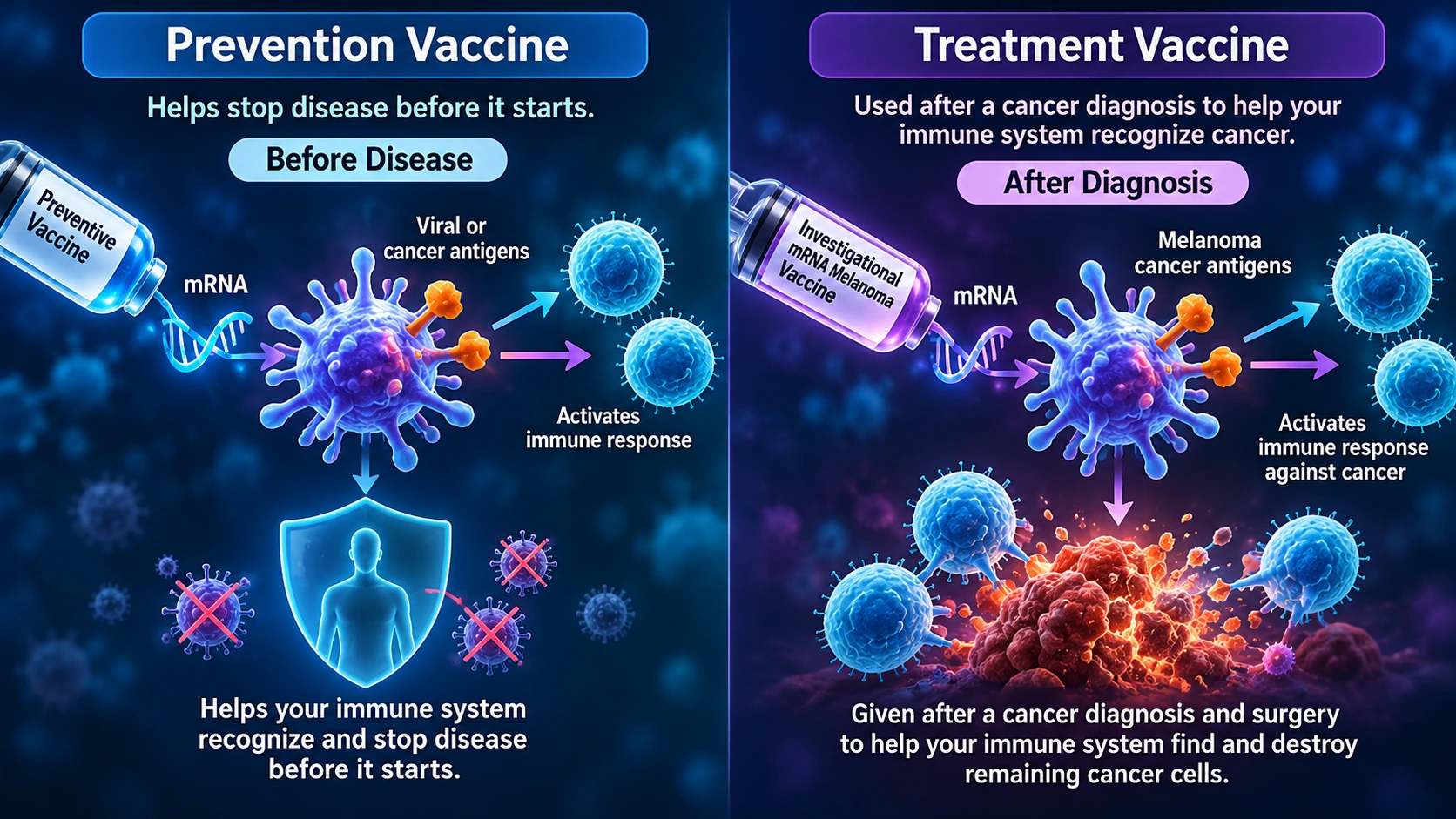
Not necessarily. Although many familiar vaccines are designed to prevent disease before it occurs, some cancer vaccines are intended to treat people who have already developed cancer.
The distinction matters because the term cancer vaccine can easily give people the wrong impression.
Consider the HPV vaccine. It helps prevent infections with certain strains of human papillomavirus that can cause cancers, including cervical cancer.
That is a preventive vaccine.
Moderna and Merck’s investigational vaccine works differently. It is designed to help the immune system fight cancer cells based on mutations identified in an individual patient’s tumor.
It is a form of cancer immunotherapy rather than a conventional vaccine intended for healthy people.
| Question | Preventive cancer-related vaccine | Therapeutic cancer vaccine |
|---|---|---|
| When is it used? | Before the targeted infection or disease develops | After a cancer diagnosis |
| What does it target? | A cancer-causing infectious agent, in the case of vaccines such as HPV | Cancer-associated antigens |
| Main goal | Reduce the chance of certain cancers developing | Help the immune system attack cancer |
| Example | HPV vaccine | Investigational intismeran vaccine |
The National Cancer Institute explains that cancer treatment vaccines are designed to strengthen the body’s defenses against cancer cells. Unlike prevention vaccines, they work against existing cancer-related targets rather than an infection that might eventually cause cancer. (National Cancer Institute)
In the Moderna-Merck trial, patients had already undergone surgery to remove their melanoma.
Yet removing a tumor does not always guarantee that every cancer cell has disappeared.
Microscopic cancer cells may remain undetected, and some patients face a substantial risk of recurrence even after apparently successful surgery.
That is where the investigational vaccine comes in.
Its goal is not to replace surgery but to help the immune system recognize and eliminate potentially remaining cancer cells.
This kind of treatment, given after the primary surgery to reduce the risk of recurrence, is called adjuvant therapy.
How Can a Vaccine Be Made Specifically for One Patient?
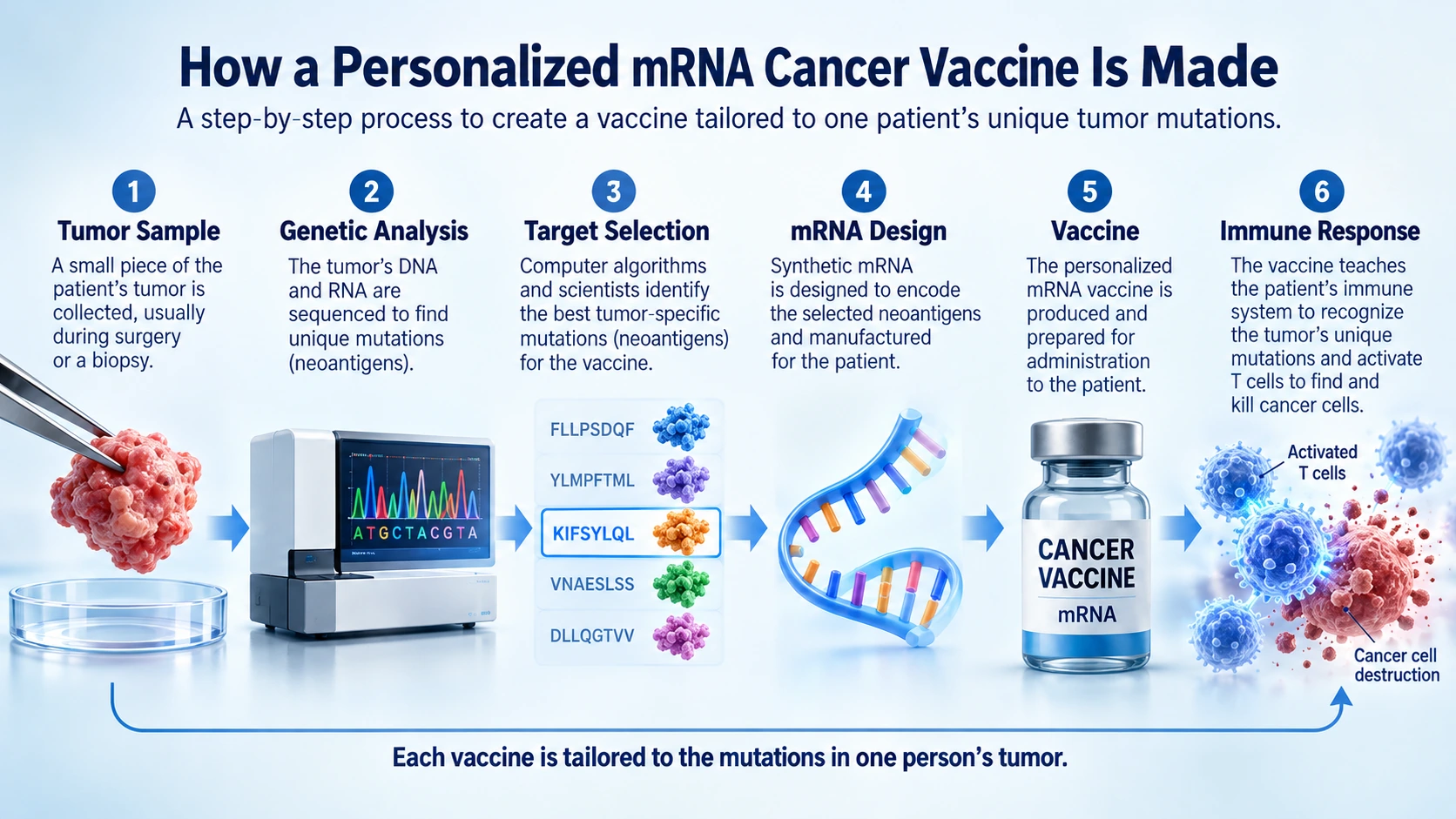
The vaccine is customized by analyzing a patient’s own tumor and identifying genetic mutations that distinguish the cancer cells from healthy cells.
Those mutations become targets for the immune system.
This is a major departure from traditional drug manufacturing.
Usually, a pharmaceutical company manufactures millions of essentially identical doses of a medicine. Patients receiving that medicine get the same active drug.
But two patients with melanoma can have tumors containing different combinations of genetic mutations.
A treatment designed around one patient’s tumor may therefore need a different molecular blueprint from a treatment designed for another patient.
From tumor sample to vaccine
The process follows several steps.
- Collect the tumor sample. Doctors obtain tissue from the patient’s cancer, typically from material removed during surgery.
- Identify the genetic mutations. The tumor and normal DNA are analyzed to identify mutations associated with the cancer.
- Choose immune targets. Researchers select tumor-specific targets called neoantigens, which may help immune cells distinguish cancer cells from normal cells.
- Design the mRNA. A customized mRNA sequence is produced to encode selected neoantigens.
- Manufacture and administer the vaccine. The personalized treatment is prepared for the individual patient and delivered through injections.
- Activate immune recognition. The mRNA instructs cells to produce proteins that help the immune system recognize the selected cancer targets.
Intismeran can encode up to 34 patient-specific neoantigens.
The underlying idea is to make the patient’s immune system better at identifying the biological characteristics of their cancer. (Merck and Moderna)
Think of it as providing immune cells with a carefully selected collection of identifying features.
Instead of searching indiscriminately, the immune system is encouraged to recognize molecular features associated with that particular tumor.
The analogy has limits: the vaccine does not provide a perfect list of every cancer cell, and identifying a target does not guarantee that immune cells will eliminate it.
But this personalized approach could make treatment more selective than therapies that rely only on cancer type or location.
The manufacturing process also creates a practical challenge.
A personalized medicine cannot simply be pulled from a warehouse. Each patient’s tumor must be analyzed and a separate treatment prepared, creating questions about production capacity, cost, and the time needed before treatment can begin.
Why Does the Vaccine Have to Be Combined With Keytruda?
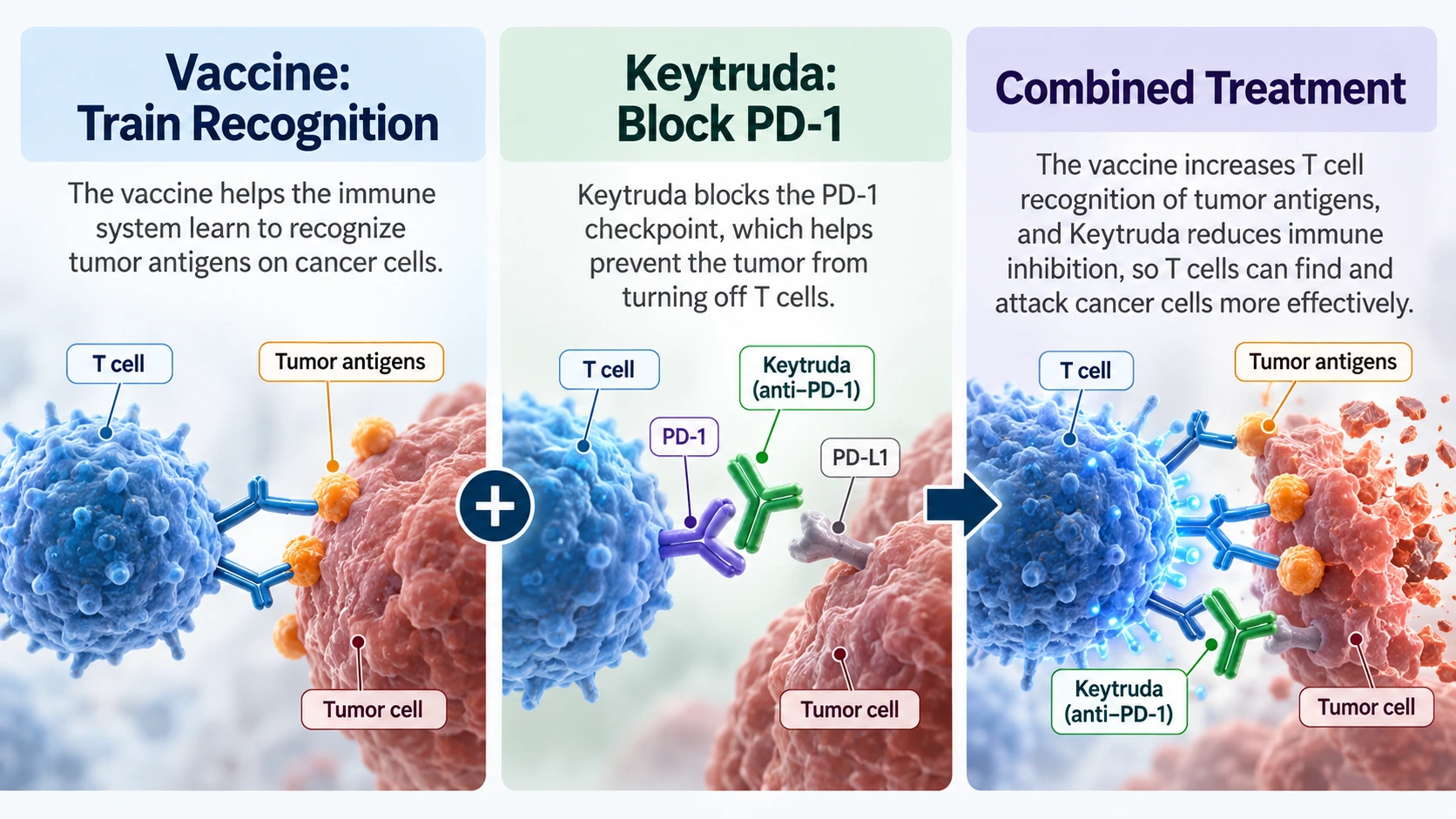
Because the vaccine and Keytruda are designed to help the immune system in different ways.
The personalized vaccine introduces tumor-specific targets, encouraging the immune system to recognize cancer cells.
Keytruda, whose generic name is pembrolizumab, is an immune checkpoint inhibitor.
To understand what that means, imagine a car with an accelerator and brakes.
The immune system needs signals that help it attack genuine threats. It also needs mechanisms that prevent unnecessary damage to healthy tissue.
Certain cancer cells exploit those protective mechanisms to escape immune attacks.
One mechanism involves a protein called PD-1, which can act as a brake on T-cell activity.
Keytruda blocks PD-1, helping prevent that inhibitory signal from suppressing immune responses.
The vaccine, meanwhile, is intended to improve recognition of tumor-specific targets.
The combination therefore aims to address two different problems:
| Treatment | Main function |
|---|---|
| Personalized mRNA vaccine | Helps train immune cells to recognize selected tumor antigens |
| Keytruda | Blocks PD-1 signaling that can inhibit T-cell responses |
| Combination | Aims to improve tumor recognition while reducing immune inhibition |
Keytruda is already an established treatment for certain patients with melanoma, including in the postoperative setting. (National Cancer Institute)
The important point is that the Phase 3 trial demonstrated a benefit from adding the vaccine to Keytruda.
It did not demonstrate that intismeran alone can produce the same result.
That distinction matters when interpreting headlines that say a cancer vaccine has succeeded.
The findings concern a specific combination therapy, not a standalone cure delivered by a single injection.
What Does the 42% Reduction Really Mean?
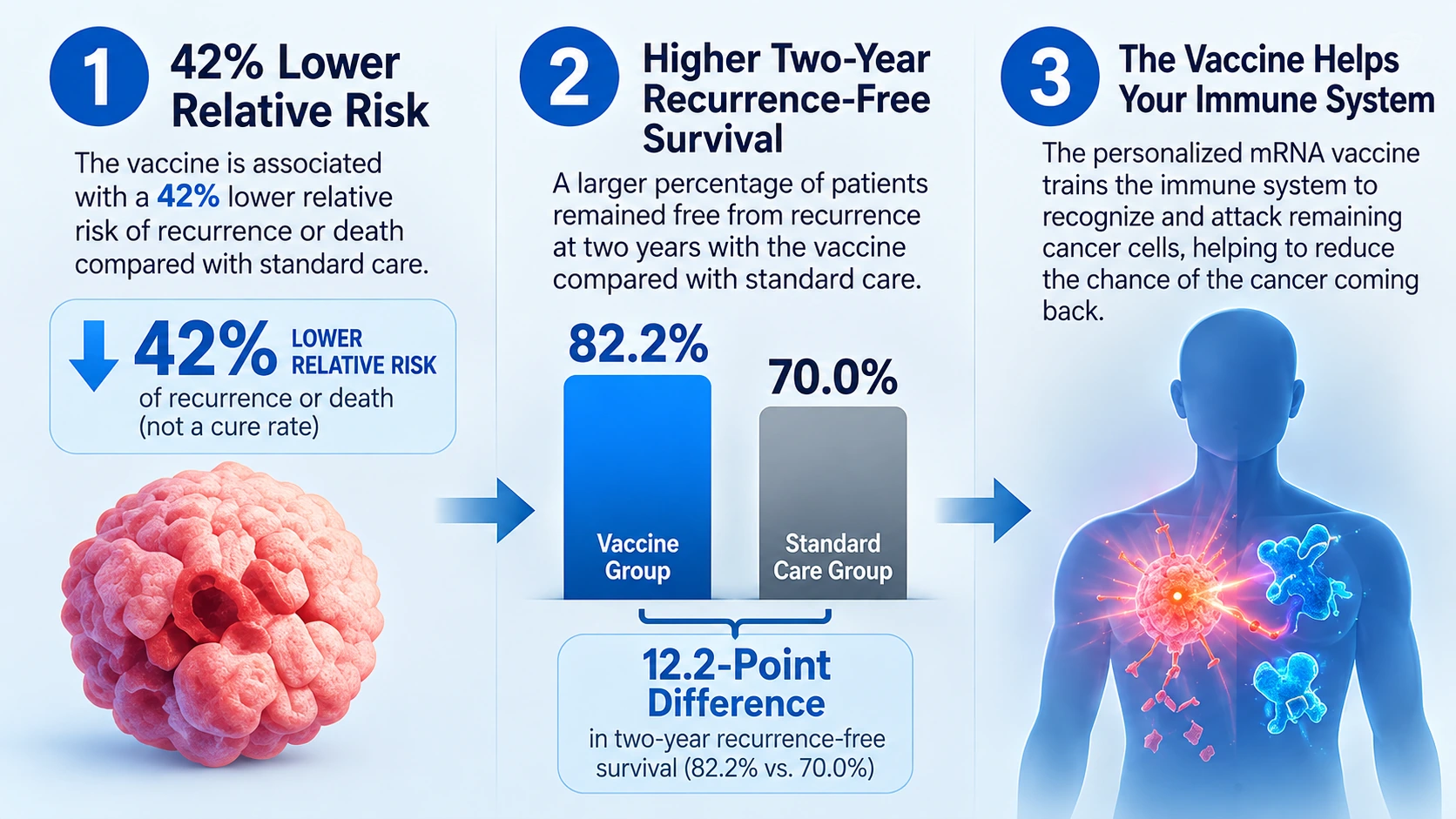
It does not mean that 42% of patients were cured, or that the vaccine reduced deaths alone by 42%.
The 42% figure describes a relative reduction in the risk of a combined outcome: melanoma recurrence or death.
This is one of the most important distinctions in the entire story.
Relative risk is not the same as an absolute percentage-point difference
The trial reported a hazard ratio of 0.58 for recurrence or death.
A hazard ratio compares the rate at which a specified event occurs between treatment groups over the period being studied.
A hazard ratio of 0.58 corresponds to a 42% lower relative hazard for the combination group compared with the control group.
But patients often find the actual two-year percentages easier to interpret.
In the trial:
- An estimated 82.2% of patients receiving the vaccine and Keytruda were alive without recurrence at two years.
- An estimated 70.0% of patients receiving Keytruda alone were alive without recurrence at two years.
Subtracting those values gives a difference of 12.2 percentage points.
Both the 42% relative hazard reduction and the 12.2-point difference are meaningful. They simply measure different things.
Neither represents a guaranteed benefit for an individual patient.
Why did researchers also examine cancer spread?
Melanoma becomes especially dangerous when cancer cells spread to distant organs.
The study therefore measured distant metastasis-free survival: how long patients remained alive without cancer spreading to distant sites.
The vaccine combination reduced the relative risk of distant metastasis or death by 38%.
At two years, the estimated distant metastasis-free survival rates were 88.5% with the combination and 80.2% with Keytruda alone.
That provides a second important measure of benefit beyond the primary recurrence-free survival result. (Merck and Moderna · American Journal of Managed Care)
There is another interesting detail.
The companies reported that the treatment groups had broadly comparable outcomes during the first six months. In a prespecified analysis examining the period after six months, the combination was associated with a larger relative reduction in recurrence or death.
That finding is consistent with the possibility that the vaccine’s immune effects develop over time.
However, the later-period analysis is not interchangeable with the trial’s primary result. It should not be interpreted as a guarantee that patients will experience a particular benefit after six months.
Does This Mean Melanoma Can Now Be Cured With a Vaccine?
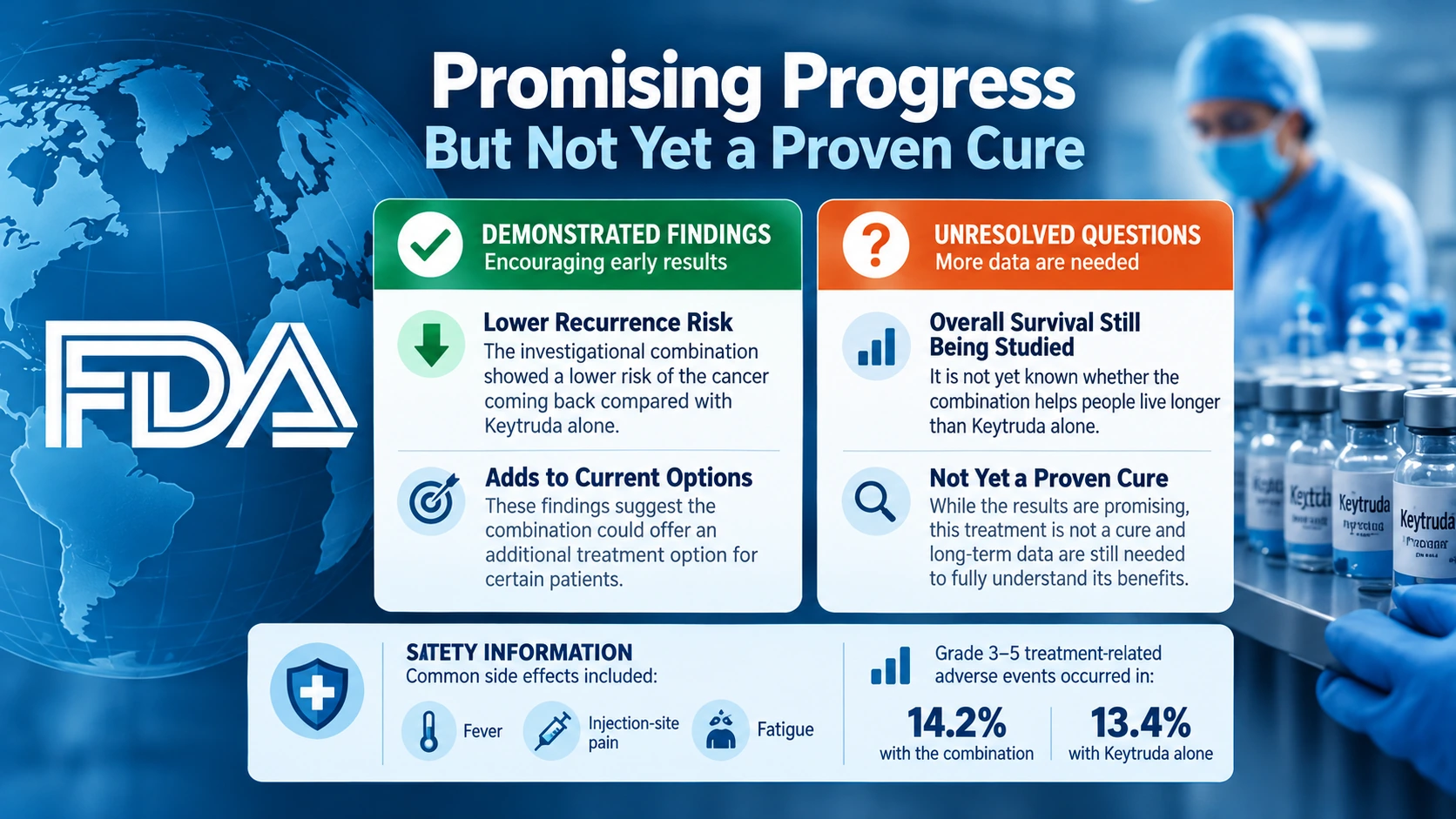
No. The results suggest that the vaccine combination can help patients remain free of melanoma recurrence for longer, but a permanent cure has not been established.
The researchers are still collecting information about overall survival, which measures whether patients live longer regardless of whether their cancer returns.
That is different from recurrence-free survival.
A therapy may delay recurrence and still require additional follow-up to determine whether it ultimately improves overall survival.
Merck and Moderna reported a favorable trend in overall survival, but said the available data were not yet mature enough to establish that outcome. (Reuters · Merck and Moderna)
That distinction is essential in cancer research.
A patient can remain cancer-free for several years and still face some risk of the disease returning. The longer patients are followed, the more researchers can learn about the durability of treatment.
What about side effects?
The vaccine is also not free from side effects.
In the Phase 3 trial, treatment-related adverse events were reported in 95.8% of patients receiving the vaccine combination, compared with 90.0% receiving Keytruda alone.
More serious treatment-related adverse events, classified as grades 3 through 5, occurred in 14.2% and 13.4% of patients, respectively.
Among the commonly reported adverse events in the combination group were fever, injection-site pain, and fatigue.
The companies said the safety findings were generally consistent with previous studies and did not reveal new safety signals.
That does not mean the treatment is risk-free.
Keytruda itself can cause immune-related complications, some of which can be serious. These potential harms are part of the benefit-risk assessment for any additional cancer therapy.
For a patient who has already undergone successful surgery, the decision to receive more treatment involves weighing the risk of recurrence against possible side effects.
The trial’s results are encouraging, but the best decision for an individual patient would still depend on their cancer stage, medical condition, existing treatment options, and specialist advice.
When Could Patients Actually Get This Cancer Vaccine?
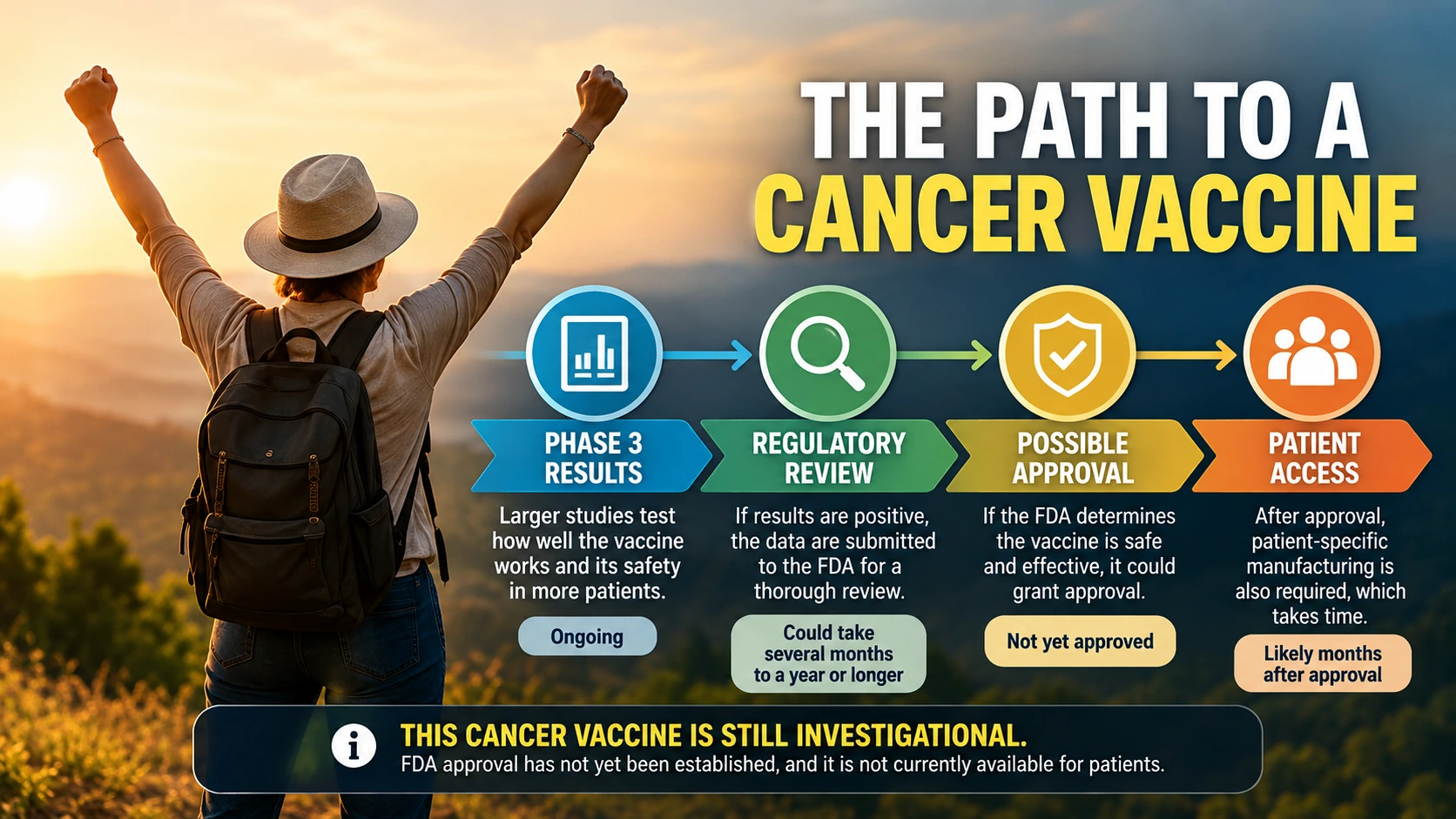
The treatment is still investigational. As of October 23, 2026, intismeran has not received FDA approval for routine use in melanoma patients.
Completing a successful Phase 3 efficacy analysis is an important milestone, but it is not the same as obtaining regulatory approval.
The companies have said they are engaging with regulatory authorities based on the results.
A potential path toward availability involves several steps.
| Stage | What it means |
|---|---|
| Positive Phase 3 results | A large clinical trial demonstrated meaningful improvement in specified outcomes |
| Regulatory submission | The developer provides evidence for evaluation |
| FDA review | Regulators assess effectiveness, safety, manufacturing, and benefit-risk considerations |
| Potential authorization | The treatment may become available for specified patients if approved |
| Patient-specific production | Eligible patients would still need individualized vaccine manufacturing |
A positive clinical trial does not guarantee that regulators will approve the treatment.
The FDA also evaluates whether a medicine can be manufactured consistently and whether its benefits outweigh its risks in the intended patient population.
That manufacturing question is especially important here.
Unlike a conventional drug produced in large identical batches, intismeran requires an individualized treatment design based on each patient’s tumor.
If approved, that could create additional challenges involving access, manufacturing capacity, treatment timelines, insurance coverage, and pricing.
An approval decision would not automatically mean every cancer center could immediately offer the therapy.
Could the same idea work against other cancers?
Possibly, but that remains an important unanswered question.
Melanoma is a useful target for personalized immunotherapy research because its tumors often contain numerous genetic mutations that can provide potential immune targets.
Other cancer types may have different mutation patterns and may be more difficult for immune cells to recognize.
Merck and Moderna are studying personalized mRNA treatment approaches in additional cancers, including non-small cell lung cancer, bladder cancer, and kidney cancer.
The companies have also described earlier research involving pancreatic and gastric cancers.
But success in melanoma does not establish that the treatment will work in every other cancer.
Each cancer type and treatment setting requires its own evidence.
The Phase 3 melanoma findings show that an individualized mRNA vaccine can add meaningful benefit to an existing immunotherapy regimen in a large clinical trial.
Whether that success can be repeated across other diseases is one of the next major questions for cancer research. (Merck and Moderna · ClinicalTrials.gov)
Bottom Line: What This Story Really Means
Moderna and Merck’s personalized mRNA cancer vaccine represents an important development in cancer immunotherapy.
In a Phase 3 trial involving 1,137 patients with surgically removed, high-risk melanoma, adding intismeran to Keytruda reduced the relative risk of recurrence or death by 42%.
At two years, an estimated 82.2% of patients receiving the combination were alive without recurrence, compared with 70.0% receiving Keytruda alone.
These findings support the idea that cancer treatment can be customized around the genetic features of an individual patient’s tumor.
But several distinctions remain essential:
- It is a treatment approach, not a preventive vaccine for healthy people.
- The demonstrated benefit came from combining the vaccine with Keytruda, not from the vaccine alone.
- Reduced recurrence risk is not proof of a permanent cure or longer overall survival.
- The treatment still requires regulatory approval before routine use.
- Success in melanoma does not automatically establish effectiveness against other cancers.
Perhaps the most significant development is not simply the 42% figure.
It is that a large clinical trial has demonstrated meaningful benefit from a therapy individually designed around a patient’s tumor mutations.
For decades, cancer treatment has largely depended on identifying where a tumor developed and selecting medicines known to work against that type of cancer.
Personalized cancer vaccines offer a different possibility: using the genetic characteristics of an individual tumor to help direct the immune system’s response.
The results do not mean that cancer has been solved.
They suggest that a new way of treating certain cancers is becoming increasingly credible—and that the next challenge will be turning promising clinical evidence into durable, accessible treatment.
mRNA Cancer Vaccine: Key Questions Explained
Q. Is Moderna’s mRNA cancer vaccine FDA-approved?
No. As of October 23, 2026, intismeran remains an investigational treatment. Moderna and Merck have reported positive Phase 3 results and are engaging with regulatory authorities, but routine FDA approval has not been established.
Q. Does the cancer vaccine work before someone develops cancer?
That was not what this trial tested. Intismeran was studied as an additional treatment after surgery in people who had already been diagnosed with high-risk melanoma.
Q. What does the 42% reduction in cancer recurrence risk mean?
It refers to a 42% lower relative hazard of melanoma recurrence or death in the vaccine-combination group compared with Keytruda alone. It does not mean that 42% of patients were cured or that deaths alone fell by 42%.
Q. How much better were the actual two-year results?
An estimated 82.2% of patients receiving intismeran and Keytruda were alive without recurrence at two years, compared with 70.0% receiving Keytruda alone—a difference of 12.2 percentage points.
Q. Is this the same technology used in COVID-19 mRNA vaccines?
Both use messenger RNA to provide instructions that can stimulate an immune response. However, intismeran is individualized around mutations in a patient’s cancer, while COVID-19 mRNA vaccines target viral proteins.
Q. Why does each patient need a different cancer vaccine?
Tumors can contain different genetic mutations, even among people diagnosed with the same cancer. Intismeran is designed to encode selected tumor-specific antigens identified through analysis of each patient’s cancer.
Q. Can the vaccine replace Keytruda?
The Phase 3 evidence does not establish that it can. The reported trial benefit came from adding intismeran to Keytruda and comparing that combination with Keytruda alone.
Q. Does the vaccine increase the chance of surviving melanoma?
The trial demonstrated better recurrence-free and distant metastasis-free survival outcomes. Whether the combination improves overall survival has not yet been conclusively established.
Q. What side effects were reported?
Fever, injection-site pain, and fatigue were commonly reported with the combination. Grade 3–5 treatment-related adverse events occurred in 14.2% of patients receiving the combination, compared with 13.4% receiving Keytruda alone.
Q. Could personalized mRNA cancer vaccines work against other cancers?
Researchers are investigating that possibility in several cancer types, including lung, bladder, and kidney cancers. The melanoma results are encouraging but do not prove that the same benefits will occur in other diseases.
Did this help make the story clearer? 🙂
WIN keeps unpacking the “why” behind the news—clearly and simply!
Sources
Phase 3 Trial Results and Official Announcements
Merck and Moderna — October 22, 2026, Detailed INTerpath-001 Phase 3 Results
Merck and Moderna — August 19, 2026, Initial Phase 3 Success Announcement
ClinicalTrials.gov — INTerpath-001 Phase 3 Study, NCT05933577
Independent Reporting and Interpretation
Reuters — October 22, 2026, Merck-Moderna Cancer Vaccine Reduces Melanoma Recurrence or Death Risk
Associated Press — Personalized mRNA Cancer Vaccine and Melanoma Recurrence
Cancer Vaccines, Immunotherapy, and Clinical Background
National Cancer Institute — Cancer Treatment Vaccines
National Cancer Institute — Melanoma Treatment and Adjuvant Immunotherapy
National Cancer Institute — Research Advances in Melanoma and Other Skin Cancers
Keep Reading
How is testing for cancer different from preventing it from returning?
A blood test that searches for signs of cancer addresses a very different medical problem from a vaccine designed to reduce recurrence after surgery. Understanding the limits of cancer detection makes that difference clearer.
Can One Blood Test Really Screen for More Than 50 Cancers—and What Is the FDA Still Unsure About?