Can a New Hepatitis B Drug Finally Let Some Patients Stop Lifelong Treatment?

Imagine taking a pill every day to control a virus that may never completely disappear from your body.
Your blood tests look good. The medication is working. But stopping it could allow the infection to become active again.
For many people living with chronic hepatitis B, that has been the reality for years.
Now there’s a new possibility.
On October 20, 2026, the U.S. Food and Drug Administration approved Hibsago (bepirovirsen), a new treatment that may allow some patients to stop taking hepatitis B medication while keeping the virus under control. (FDA)
That sounds remarkably close to a cure.
But here’s the distinction that matters: Hibsago did not cure everyone who received it, and it does not eliminate the need for careful medical monitoring.
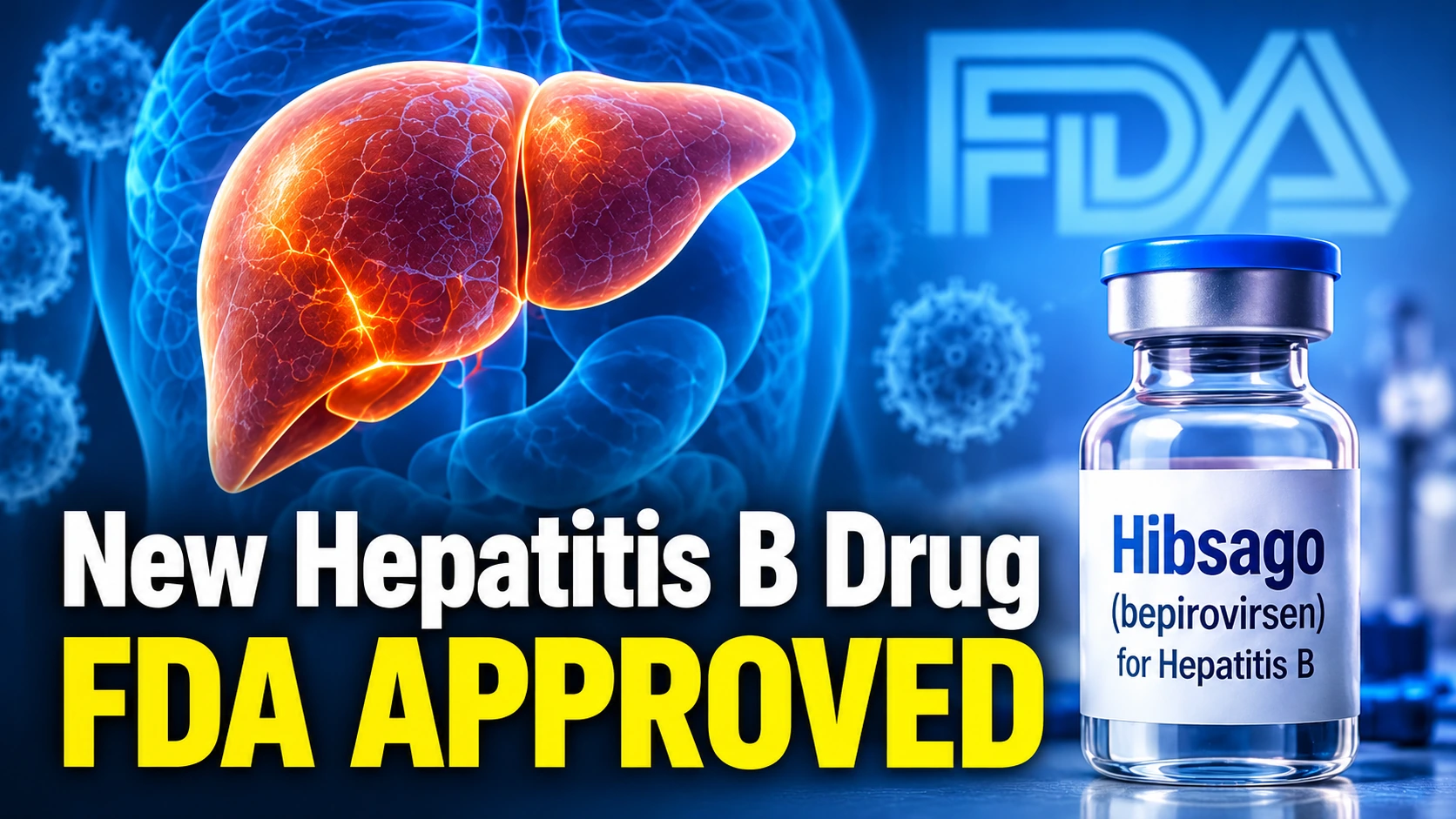
※ Images in this article are AI-generated illustrations created to help explain the story. They are not actual photographs, and depictions of people, places, or events may differ slightly from reality.
The clinical trial results help explain why the approval is important—and why patients should be cautious about what it means for their own treatment.
Why Have Hepatitis B Patients Needed Medication for So Long?
Existing hepatitis B medications are very good at suppressing the virus, but they rarely eliminate the underlying infection.
Chronic hepatitis B is a long-term infection of the liver caused by the hepatitis B virus, or HBV.
The infection can remain quiet for years, sometimes without noticeable symptoms. Nevertheless, persistent infection can damage the liver and increase the risk of cirrhosis and liver cancer.
The Centers for Disease Control and Prevention explains that antiviral treatment, monitoring, and liver cancer surveillance can help prevent serious complications.
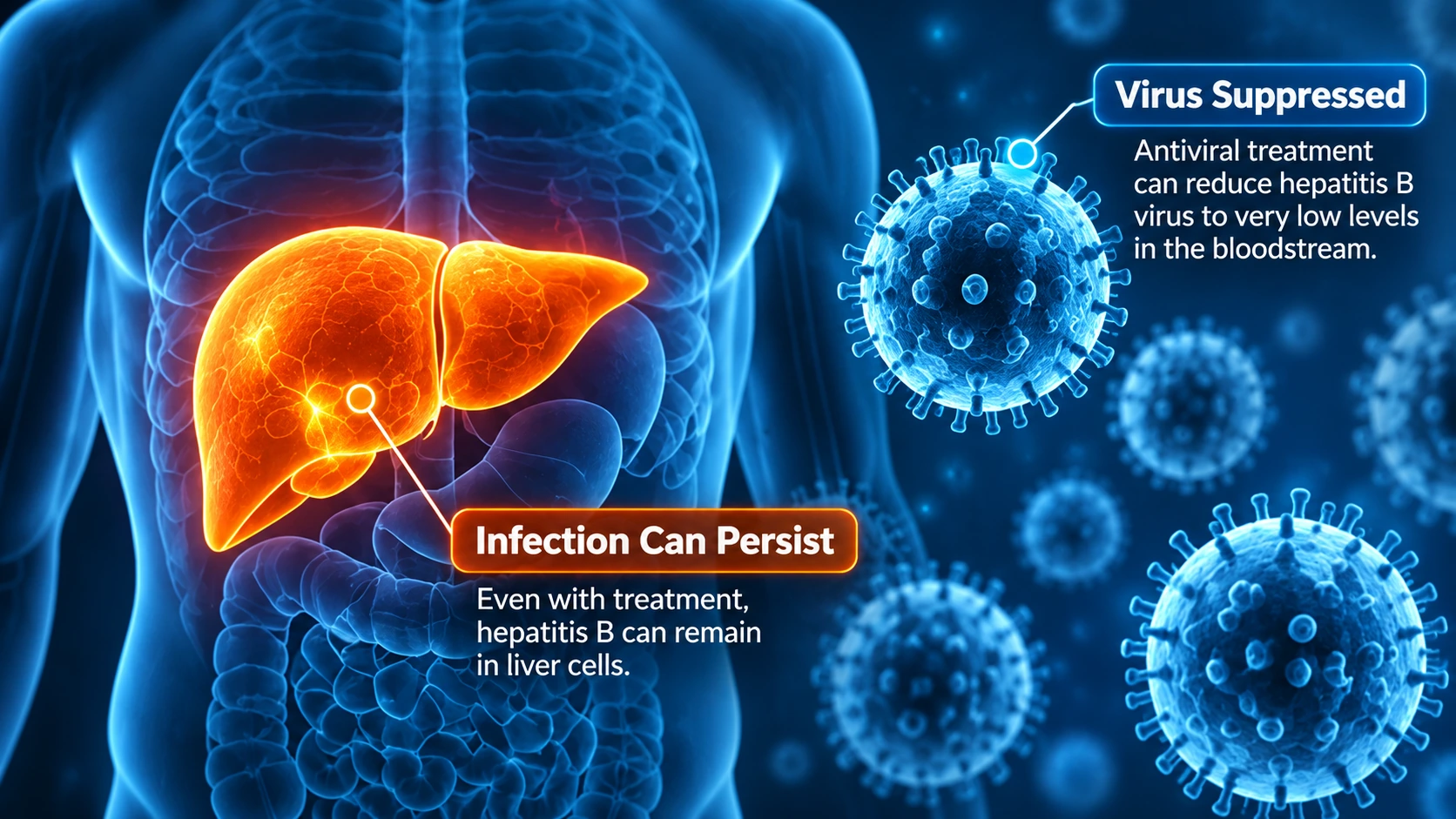
Why doesn’t a good blood test mean the infection is gone?
Hepatitis B is particularly difficult to eliminate because viral genetic material can persist within infected liver cells.
Standard medications such as tenofovir and entecavir can reduce the amount of virus circulating in the blood to extremely low or undetectable levels.
That is a major medical achievement. It can protect the liver and reduce complications.
But the virus’s underlying genetic material may remain inside the liver. If medication is stopped before it is medically appropriate, viral activity can return.
This helps explain why some patients remain on antiviral treatment for many years or potentially for life.
Not everyone with chronic hepatitis B needs medication, however. Treatment depends on the activity of the infection, the patient’s liver health, and other clinical factors. (CDC)
The long-standing challenge has been finding a treatment that does more than continuously suppress viral replication.
Researchers have wanted a way to help the immune system maintain control after treatment ends.
That is the goal behind Hibsago.
What Exactly Did the FDA Approve—and Who Can Receive Hibsago?
Hibsago is approved for a specific group of adults with chronic hepatitis B, not everyone who has the infection.
The FDA authorized Hibsago as an additional treatment used alongside existing hepatitis B antiviral medications.
It is the first FDA-approved antisense oligonucleotide for chronic hepatitis B—a type of medicine designed to target genetic instructions used by the virus.
The treatment was developed by GSK in collaboration with Ionis Pharmaceuticals. (GSK)
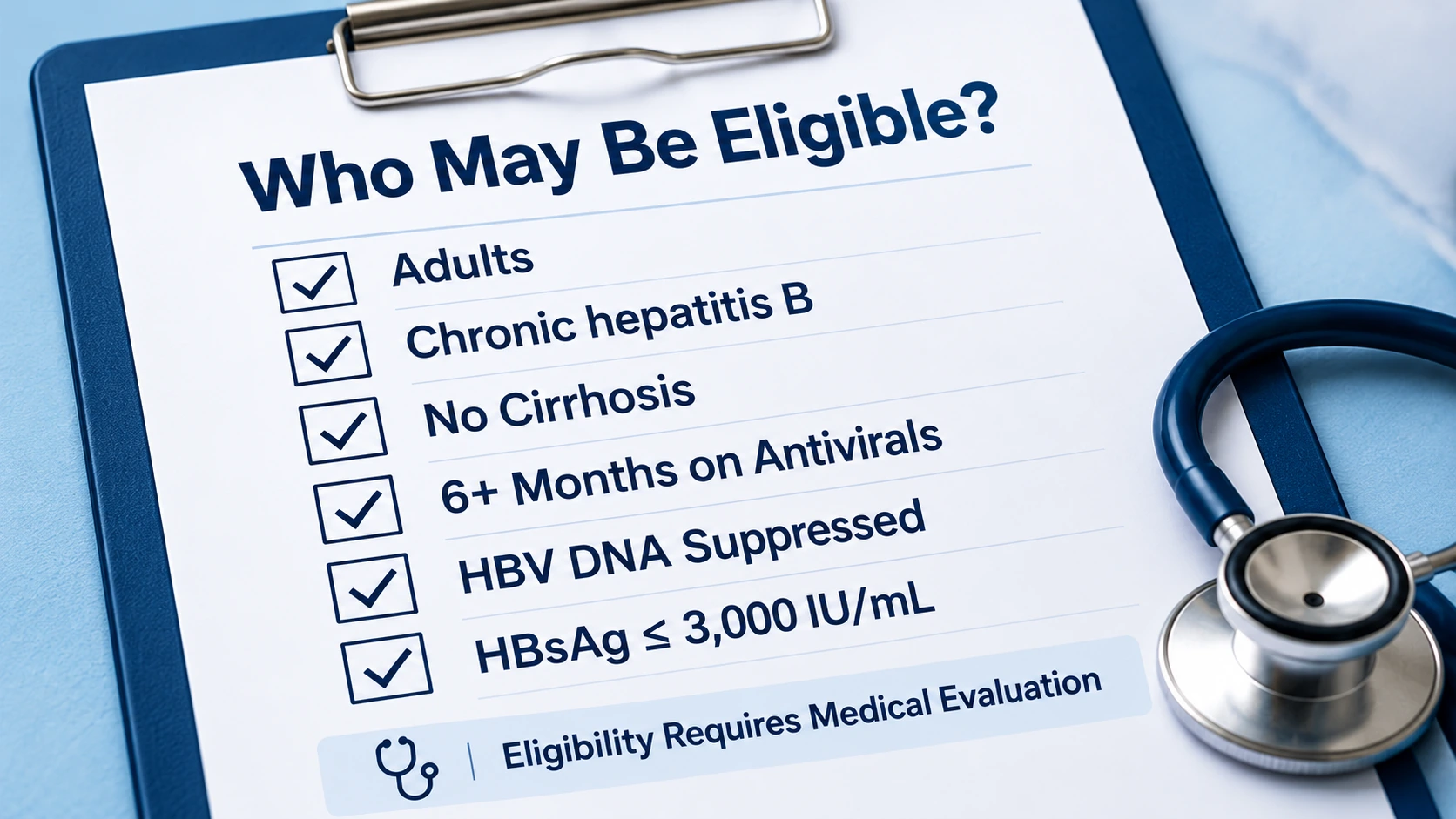
To qualify under the FDA-approved indication, a patient must meet several conditions.
| Requirement | What it means |
|---|---|
| Adult patient | Must be at least 18 years old |
| Chronic hepatitis B | Must have a long-term HBV infection |
| No cirrhosis | Cannot have the advanced liver scarring known as cirrhosis |
| Existing treatment | Must have received qualifying antiviral therapy for at least six months |
| Suppressed viral DNA | The amount of hepatitis B virus in the blood must already be controlled |
| HBsAg threshold | Hepatitis B surface antigen must be 3,000 IU/mL or less |
These are the FDA-approved treatment conditions, not simply suggestions for selecting patients. (FDA)
One requirement deserves particular attention: the HBsAg level.
What is HBsAg, and why does the number matter?
HBsAg stands for hepatitis B surface antigen.
It is a viral protein that can be measured in the blood. Its presence helps doctors identify hepatitis B infection, while its quantity can provide additional information about the disease.
For Hibsago, the FDA-approved threshold is 3,000 international units per milliliter (IU/mL) or less.
Patients whose levels are above that threshold do not meet the approved indication.
The FDA also authorized a companion diagnostic test from Roche to help identify suitable patients and support treatment monitoring.
Importantly, patients need more than an ordinary statement that their hepatitis B blood tests are positive or negative. Their clinician must evaluate the relevant laboratory measurements and overall liver health.
How Does Hibsago Work Differently From Traditional Hepatitis B Drugs?
Hibsago targets the viral RNA instructions involved in producing hepatitis B proteins, rather than relying only on the replication-suppressing approach used by standard antiviral medicines.
The distinction matters because traditional hepatitis B treatment primarily aims to keep the virus from making additional copies of itself.
Hibsago tries to interfere with another part of the process.
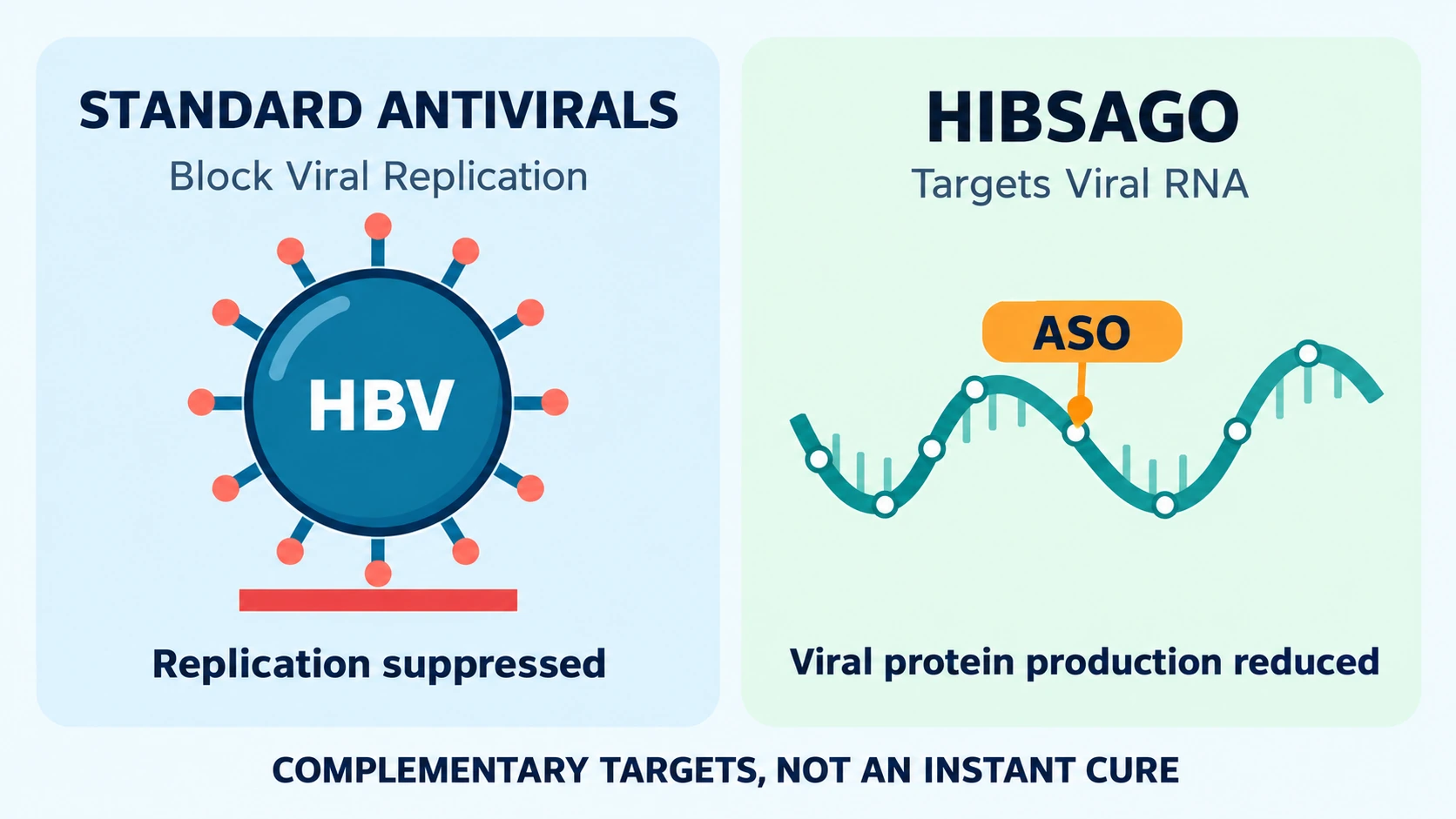
Bepirovirsen belongs to a class of medicines called antisense oligonucleotides, or ASOs.
An antisense oligonucleotide is a short, laboratory-designed strand of genetic material that can bind to a specific RNA target.
RNA acts as an intermediate set of instructions that cells and viruses use to produce proteins.
By targeting hepatitis B viral RNA, Hibsago can reduce the production of viral proteins, including HBsAg.
GSK says this approach may help the patient’s immune system regain more durable control over the infection. (GSK)
A useful way to understand the difference is to think about a machine:
- Standard antivirals interfere with the machinery the virus uses to make more copies.
- Hibsago targets genetic instructions involved in making viral components.
- The combination is intended to increase the chance that the infection remains controlled after therapy ends.
That final goal—not merely lowering the amount of virus during treatment—is what makes the new approach different.
Can Patients Really Stop Taking Hepatitis B Medication After Hibsago?
Some patients may be able to stop, but not immediately and not simply because they completed the injections.
The treatment follows a structured process that includes existing antiviral medication, Hibsago injections, repeat laboratory testing, and a supervised decision about whether stopping treatment is safe.
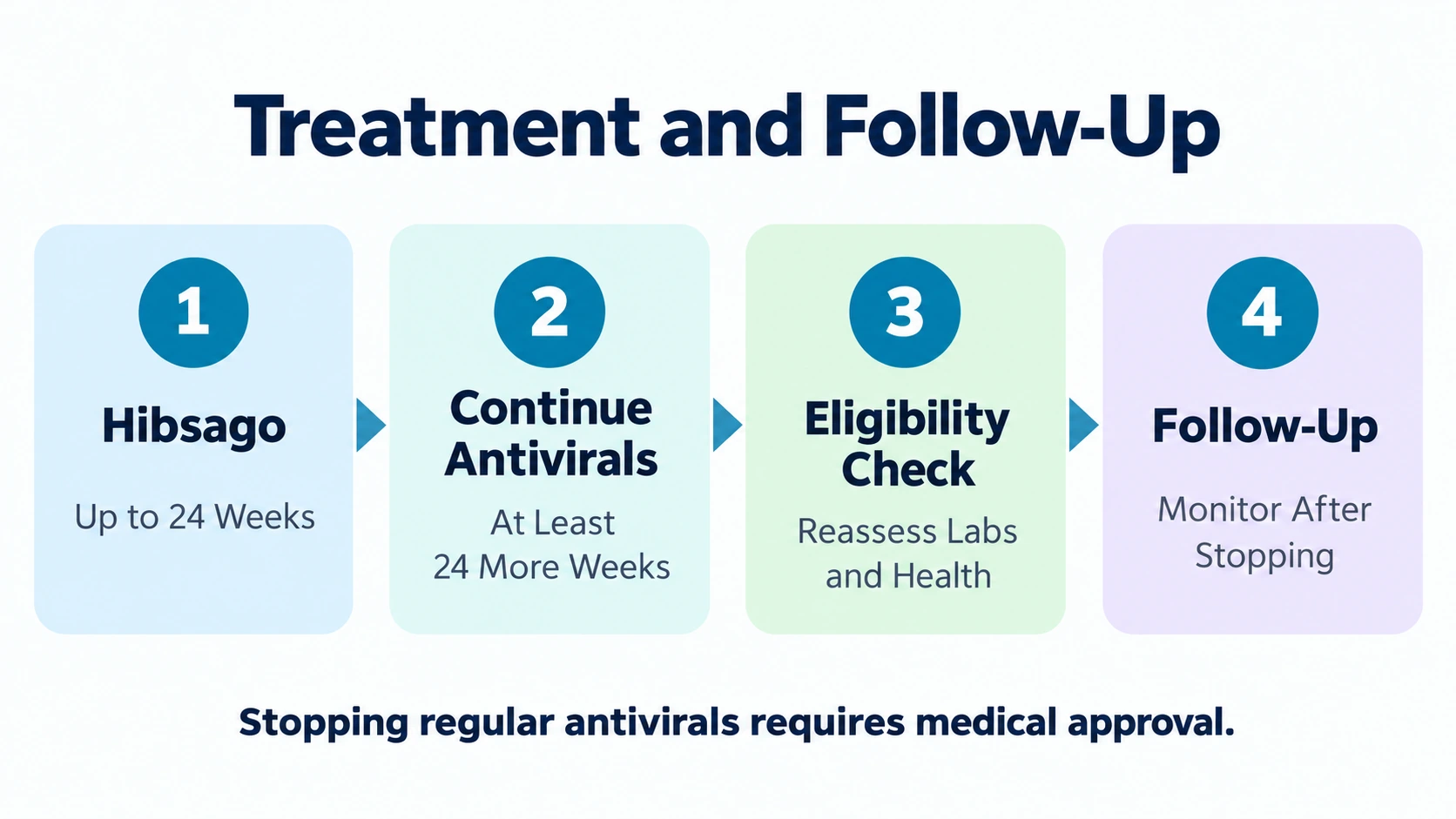
According to the FDA, the treatment process works broadly as follows.
| Stage | What happens |
|---|---|
| Before Hibsago | Patient is already receiving qualifying antiviral therapy |
| Hibsago course | Subcutaneous injections for up to 24 weeks alongside existing antivirals |
| After the last injection | Existing antiviral medication continues for at least another 24 weeks |
| Medical reassessment | A clinician determines whether laboratory and health requirements for stopping treatment are met |
| After treatment stops | Continued monitoring checks whether viral control is maintained |
The key distinction is between finishing the Hibsago injections and stopping all hepatitis B treatment.
Those are not necessarily the same date.
Some patients may complete the injection course but still need their existing antivirals.
Others may eventually meet the criteria for supervised discontinuation.
The FDA describes the possibility of stopping long-term therapy as conditional on specific health and laboratory findings. (FDA)
Patients should never stop their current antiviral medication on their own because of the new approval.
Discontinuation can cause severe hepatitis B flare-ups, and people who stop medication require ongoing medical supervision.
How Successful Was Hibsago in Clinical Trials?
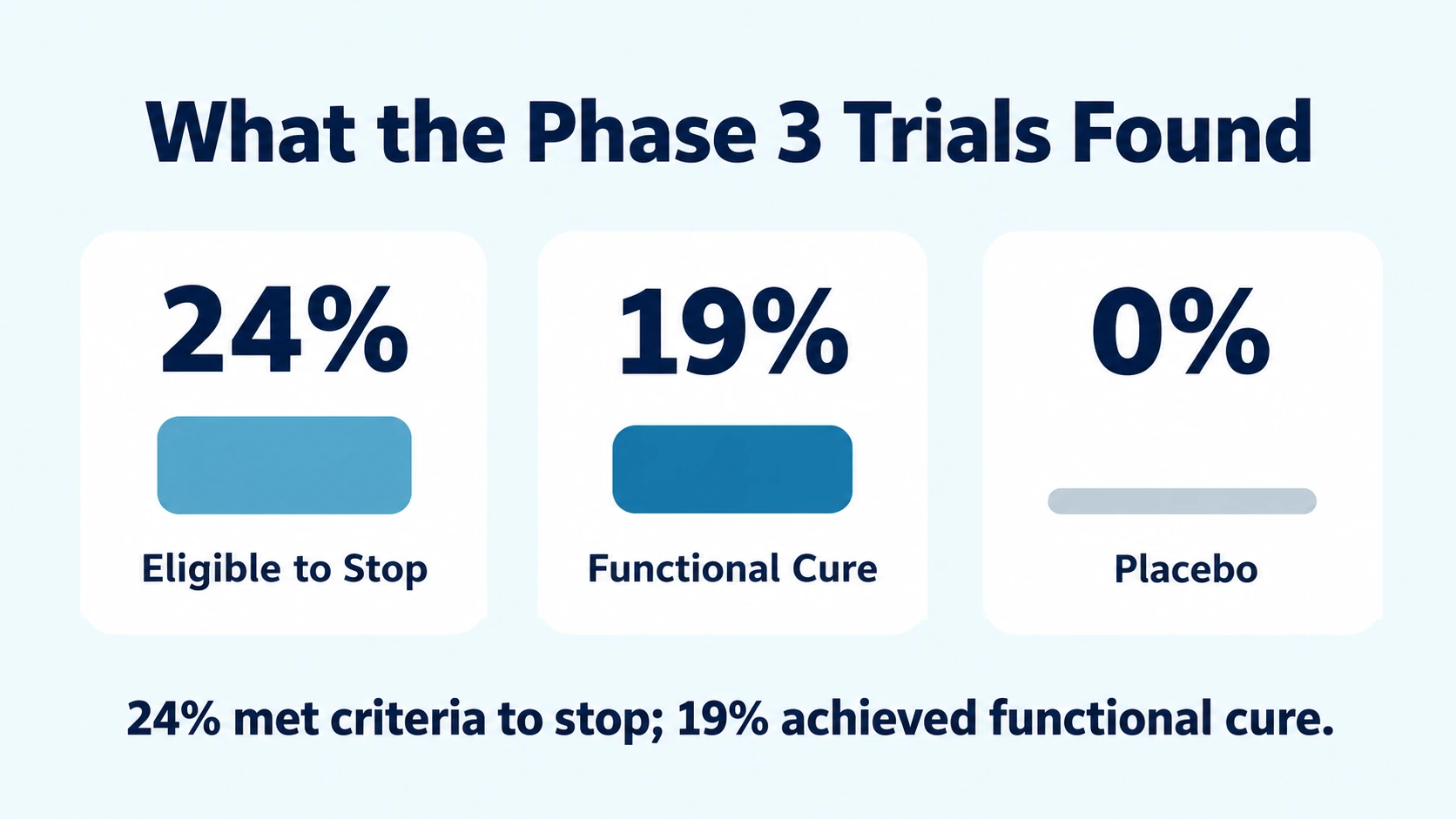
About 19% of patients receiving Hibsago achieved the study’s defined functional cure outcome, compared with none in the placebo group.
This is the central result behind the FDA approval.
But there are two different percentages in the findings, and they should not be confused.
What is the difference between 24% and 19%?
In the B-Well 1 and B-Well 2 clinical trials, 24% of Hibsago recipients met the conditions to discontinue their existing antiviral medication.
But meeting the criteria to stop medication was only the first milestone.
Researchers then needed to determine whether patients could remain off all hepatitis B treatment while maintaining control of the infection.
Twenty-four weeks after treatment discontinuation, 19% of those assigned to Hibsago had achieved the trial’s functional cure endpoint.
| Clinical trial result | Hibsago group | Placebo group |
|---|---|---|
| Met criteria to discontinue existing antiviral therapy | 24% | 0% |
| Achieved functional cure | 19% | 0% |
The 19% functional cure rate represented 233 of 1,220 treated participants, compared with 0 of 614 participants receiving placebo alongside standard antiviral treatment.
These results are from the two pooled phase 3 trials and were reported by the FDA and GSK. (FDA · GSK)
Another finding was especially interesting.
Among participants whose hepatitis B surface antigen level was 1,000 IU/mL or lower at baseline, the functional cure response reached 26%.
That suggests baseline HBsAg levels may help identify patients with better chances of responding.
It does not, however, guarantee an individual patient’s outcome.
Is a 19% response rate really significant?
For a disease that often requires many years of treatment, it can be.
The existing standard of care is highly effective at suppressing hepatitis B, but sustained loss of surface antigen is relatively uncommon.
GSK reports that functional cure occurs in fewer than 1% of patients after one year of standard treatment alone under the comparison it cites. (GSK)
The Hibsago trials therefore represent a meaningful improvement for the studied patient population.
Still, the result also means that approximately four out of five treated participants did not achieve the functional cure endpoint during the measured follow-up period.
The advance is real. So are its limitations.
Does a Functional Cure Mean Hepatitis B Is Completely Gone?
No. A functional cure means the infection remains controlled without ongoing treatment under defined testing criteria. It does not necessarily mean every trace of the virus has been eliminated from the body.
That is one of the most important distinctions in this story.
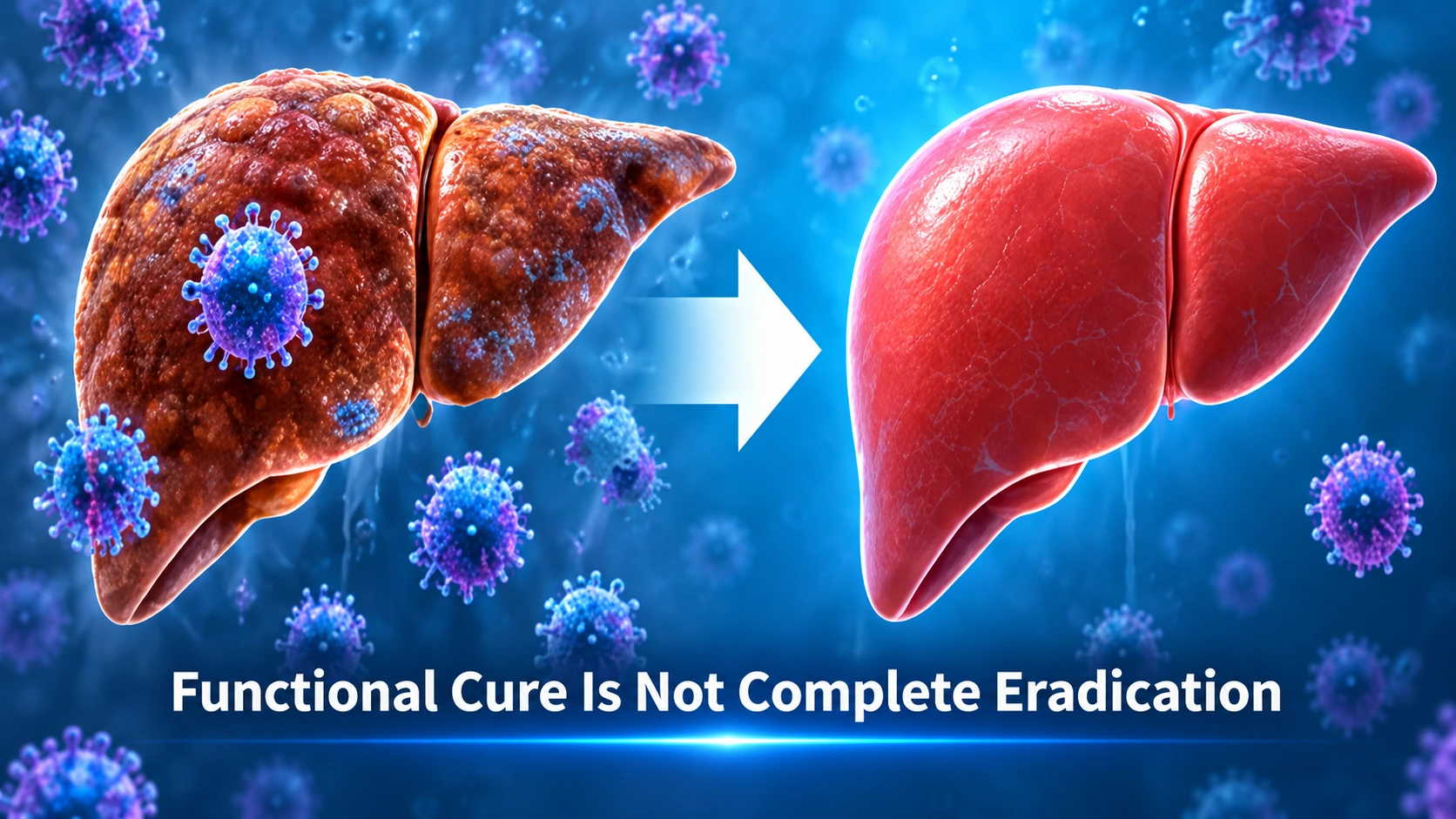
Three outcomes that sound similar but are not
| Outcome | What it means |
|---|---|
| Viral suppression | Virus levels in the blood are controlled, usually while taking medication |
| Functional cure | Viral DNA and surface antigen remain undetectable for a defined period after all treatment stops |
| Complete eradication | All viral genetic material capable of persisting in the body is eliminated |
For the Hibsago trials, functional cure required hepatitis B viral DNA and HBsAg to remain undetectable for at least 24 weeks after treatment discontinuation.
That is a much stronger outcome than simply having low virus levels while taking pills.
But it is not the same as what scientists sometimes call a sterilizing cure.
Hepatitis B genetic material can persist in liver cells, including in a stable form known as covalently closed circular DNA, or cccDNA.
A person may therefore achieve sustained functional control without eliminating every viral genetic remnant. (Medical Review)
This also explains why continued medical follow-up matters.
A functional cure can substantially change a patient’s treatment outlook, but it should not be interpreted as permission to disregard future liver health checks.
The need for liver cancer surveillance depends on individual risk factors and medical history. Loss of surface antigen does not automatically eliminate every long-term liver cancer risk.
What Are the Risks and Side Effects of Hibsago?
Hibsago carries serious safety warnings, including potentially dangerous liver reactions and low platelet counts.
The FDA required a boxed warning, its most prominent prescription-drug safety warning, covering these risks.
The need for monitoring is not a minor detail. It is central to how this treatment should be used.
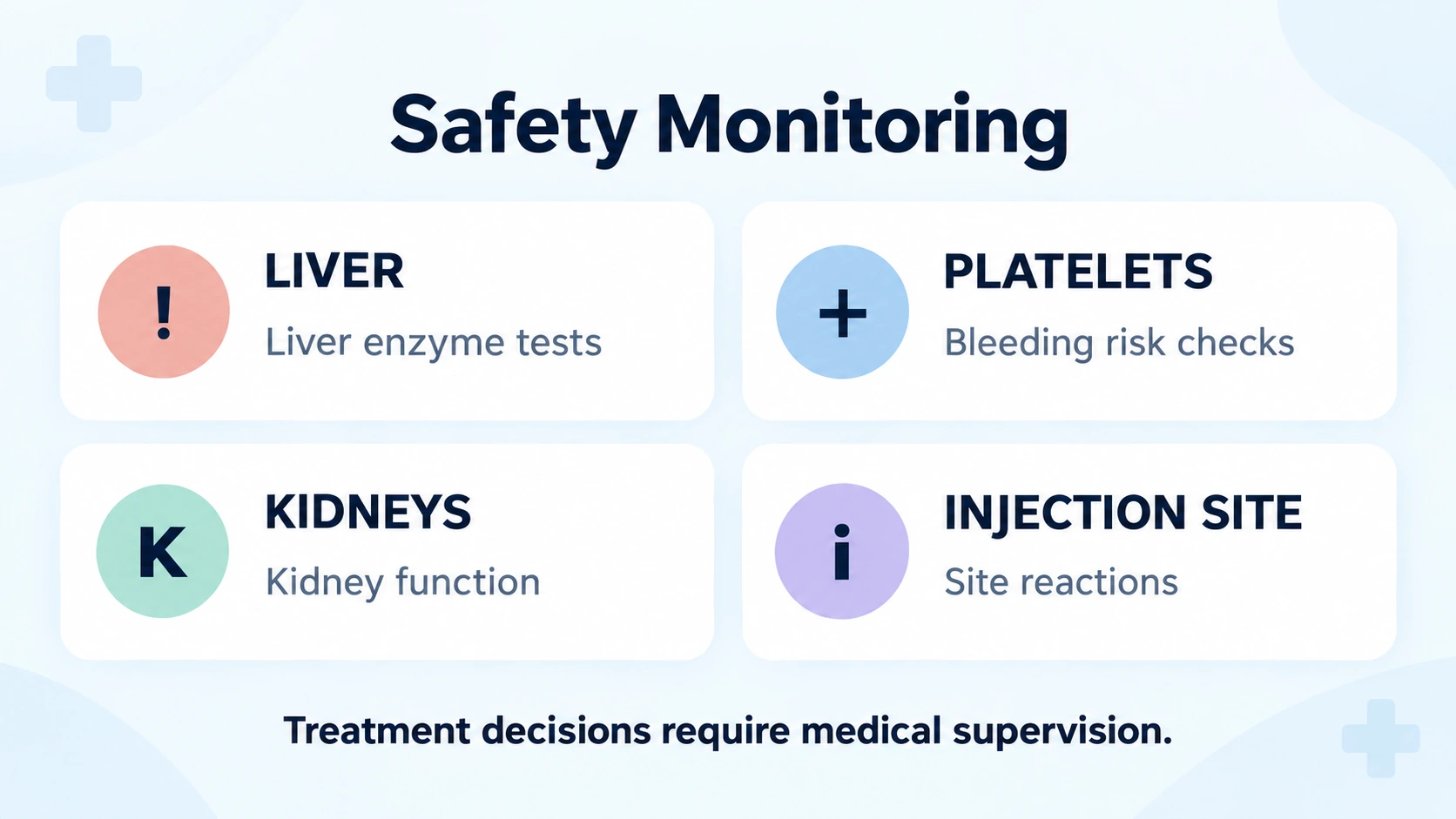
Serious liver reactions
Some patients experienced substantial increases in liver enzymes during treatment.
Elevated liver enzymes can indicate liver inflammation or injury.
The prescribing information requires liver function assessment before treatment and frequent monitoring during therapy.
Low platelet counts
Platelets are blood components that help stop bleeding.
Hibsago can reduce platelet counts, sometimes suddenly and unpredictably.
Severely low platelet levels can increase the risk of dangerous bleeding.
The U.S. prescribing information requires platelet monitoring at least weekly during treatment and specifies conditions for interrupting or discontinuing therapy.
Kidney and inflammatory risks
Other warnings include worsening kidney function and serious inflammatory or immune-related reactions, including vasculitis, an inflammation of blood vessels.
These risks may require additional tests, closer monitoring, or treatment discontinuation.
More common side effects
The FDA lists the following among the more common reactions:
- Injection-site reactions
- Fever
- Fatigue
- Headache
(FDA · GSK Prescribing Safety Information)
The safety requirements also continue after treatment.
Severe hepatitis B exacerbations can occur after existing antiviral medication is discontinued.
GSK’s prescribing information recommends frequent monitoring for at least one year after such discontinuation.
For patients who also have HIV, stopping an antiviral that treats both infections presents additional concerns and must be directed by the appropriate HIV healthcare provider.
A successful treatment outcome therefore involves more than obtaining undetectable laboratory results. It also requires managing the risks of treatment and withdrawal.
What Does the FDA Approval Mean for Patients Right Now?
The approval creates a new treatment option for eligible adults, but it does not mean every hepatitis B patient should switch medications.
A patient already receiving successful antiviral therapy may wonder whether Hibsago offers a better chance of eventually stopping medication.
That is a reasonable question to discuss with a liver specialist.
But several practical considerations remain.
Eligibility comes first
The most immediate step for interested patients is understanding whether they meet the FDA-approved criteria.
That includes reviewing previous treatment, checking for cirrhosis, confirming viral suppression, and obtaining a quantitative HBsAg measurement.
Treatment still requires substantial monitoring
Hibsago’s 24-week injection course can be relatively short compared with years of antiviral medication.
However, patients must also continue their existing antiviral treatment for a specified period and undergo repeated laboratory testing.
This is not a simple one-time injection.
FDA approval is not the same as immediate access
Regulatory approval allows a drug to be marketed under its approved conditions, but actual access also depends on availability, prescribing arrangements, pricing, and insurance coverage.
As of October 21, 2026, GSK had not publicly provided a definitive U.S. launch schedule or pricing details in the reporting reviewed. (Reuters)
The eventual cost of the drug and the extent of insurance coverage could affect how widely it is used.
Long-term results still matter
The clinical trials demonstrated a significant functional cure response over their defined follow-up period.
But doctors and patients will also want to understand how durable that response remains over longer periods.
Questions about late viral rebound, liver health outcomes, and real-world safety will remain important as clinical experience grows.
For now, the practical message is straightforward:
Hibsago offers some eligible patients a new possibility, not a universal replacement for established hepatitis B treatment.
Bottom Line: What This Story Really Means
For decades, the biggest frustration in chronic hepatitis B treatment has been the difference between controlling the virus and being able to live without daily medication.
The FDA’s October 20, 2026 approval of Hibsago represents an important attempt to narrow that gap.
In two phase 3 trials, 19% of patients receiving the new treatment achieved a functional cure, meaning their hepatitis B viral DNA and surface antigen remained undetectable for at least 24 weeks after all treatment stopped.
That is a meaningful achievement for a disease that can require years of management.
But it does not mean hepatitis B has become universally curable.
Most participants did not achieve the functional cure endpoint, the approved patient population is restricted, and the medication carries serious safety warnings.
For someone living with chronic hepatitis B, the most valuable question is no longer simply whether a new drug exists.
It is whether their medical history, liver health, existing treatment, and laboratory results make them a suitable candidate—and whether the potential benefit justifies the risks.
Hibsago may allow some patients to live without ongoing hepatitis B medication. The word that matters is “some.”
Hibsago Hepatitis B Treatment: Key Questions Explained
Q. Is Hibsago approved in the United States?
Yes. The FDA approved Hibsago (bepirovirsen) on October 20, 2026, for certain adults with chronic hepatitis B without cirrhosis who meet the specified treatment and laboratory criteria.
Q. What percentage of patients achieved functional cure with Hibsago?
Approximately 19% of treated patients achieved functional cure in the pooled phase 3 trials. In the subgroup with baseline HBsAg levels of 1,000 IU/mL or lower, the response rate was 26%.
Q. Is Hibsago a pill or an injection?
Hibsago is an injection administered under the skin. The approved course lasts up to 24 weeks, alongside existing hepatitis B antiviral medication.
Q. Can people with cirrhosis use Hibsago?
No. Hibsago is not approved for patients with cirrhosis, and the prescribing information lists cirrhosis among its contraindications.
Q. Does Hibsago replace tenofovir or entecavir immediately?
No. Hibsago is initially used alongside qualifying existing antiviral medication. Patients continue their antiviral therapy for at least 24 weeks after the final Hibsago injection, and stopping it later requires a medical assessment.
Q. What is the difference between a functional cure and a complete cure?
A functional cure means hepatitis B viral DNA and surface antigen remain undetectable after treatment stops under defined criteria. It does not necessarily mean all viral genetic material has been eliminated from the body.
Q. What are the most serious Hibsago side effects?
The major boxed warnings concern serious liver reactions and low platelet counts that can increase bleeding risk. Kidney problems and serious inflammatory reactions are additional safety concerns.
Q. Can patients stop hepatitis B medication without consulting a doctor?
No. Stopping treatment can cause serious viral flare-ups. Any medication withdrawal must follow clinical criteria and a healthcare professional’s monitoring plan.
Q. Will health insurance cover Hibsago?
Insurance coverage, out-of-pocket costs, and access may vary. Definitive U.S. pricing and launch details had not been publicly established in the reporting reviewed as of October 21, 2026.
Q. Is the hepatitis B vaccine still necessary now that Hibsago exists?
Yes. Hibsago treats certain people who already have chronic hepatitis B; it does not replace vaccination. The CDC continues to identify vaccination as the best way to prevent hepatitis B infection.
Did this help make the story clearer? 🙂
WIN keeps unpacking the “why” behind the news—clearly and simply!
Sources
FDA Approval and Treatment Requirements
FDA — FDA Approves First-of-Its-Kind Chronic Hepatitis B Treatment, October 20, 2026
GSK — Hibsago Approved in the U.S. for Chronic Hepatitis B, October 20, 2026
Clinical Results and Medication Safety
GSK US — Hibsago Clinical Results and U.S. Prescribing Safety Information
Reuters — U.S. FDA Approves GSK’s Hepatitis B Drug, October 20, 2026
Hepatitis B Background and Functional Cure
CDC — Treatment of Hepatitis B
Expert Review — Definition and Clinical Meaning of Functional Cure in Chronic Hepatitis B