Why Were Timothy Busfield’s Charges Dismissed—and Is the Case Really Over?

If a judge throws out criminal charges, doesn’t that mean the defendant has been cleared?
Not necessarily. On October 16, 2026, a New Mexico judge threw out a four-count grand jury indictment against actor and director Timothy Busfield. But the ruling did not decide whether the allegations against him were true. It found that prosecutors had mishandled a crucial step in the process used to bring the charges. (New Mexico Courts · AP)
That distinction changes the meaning of the headline. The indictment is gone, but the judge expressly left prosecutors free to start new criminal proceedings. Whether they will do so is a separate, still-unanswered question.
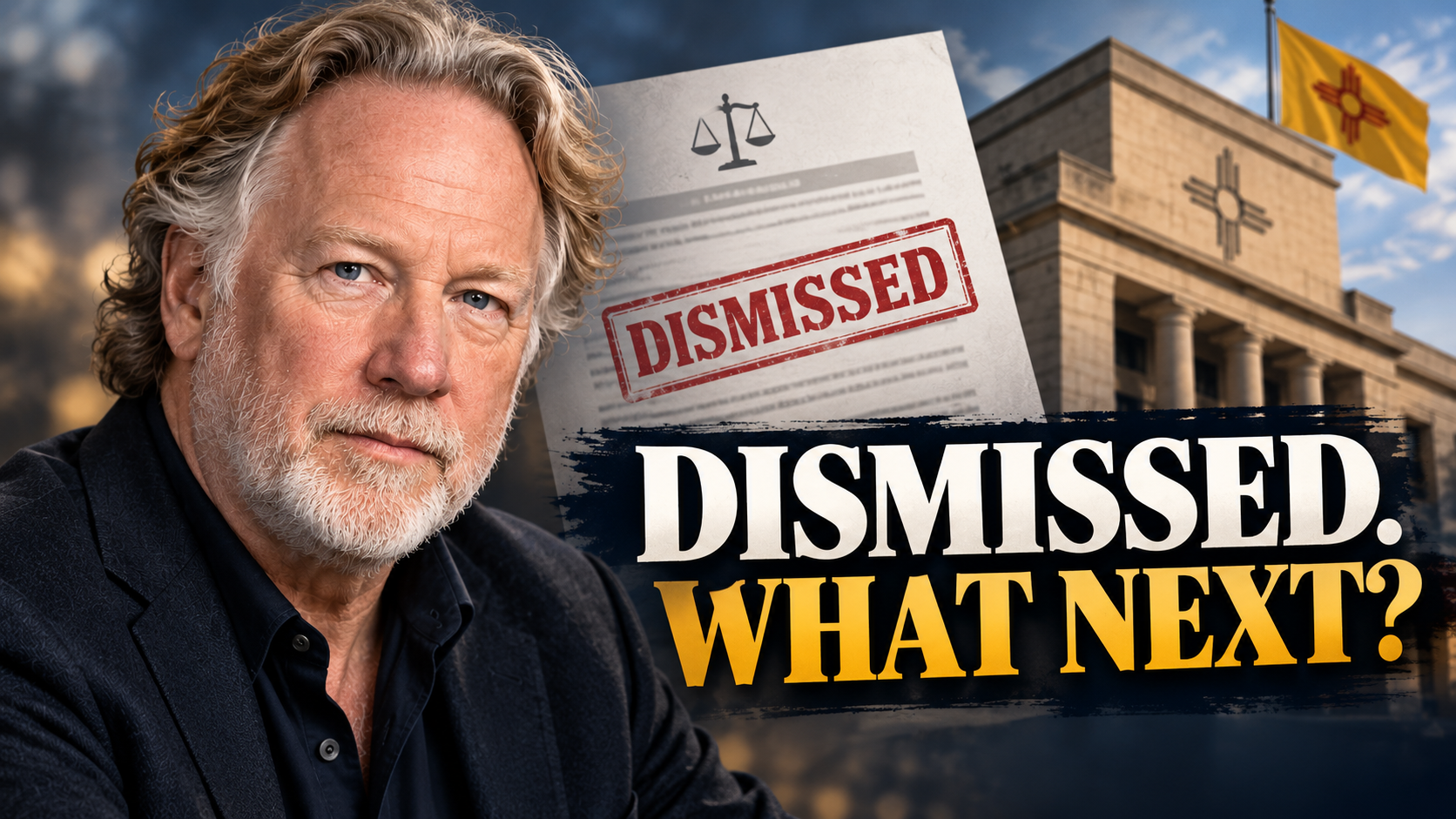
※ Images in this article are AI-generated illustrations created to help explain the story. They are not actual photographs, and depictions of people, places, or events may differ slightly from reality.
What Exactly Did the Judge Throw Out?
Judge Joseph Montano quashed Busfield’s February 2026 grand jury indictment, which had charged him with four counts of criminal sexual contact of a minor. The decision came from New Mexico’s state court system, not a federal court, and it was issued before a criminal trial had reached a verdict. (New Mexico Courts · Reuters)
Busfield is known to television audiences for The West Wing and Thirtysomething, and to moviegoers for Field of Dreams. The allegations arose from his work directing and producing the Fox drama The Cleaning Lady in Albuquerque. The parents of twin child actors alleged inappropriate sexual contact. Busfield has consistently denied the allegations and pleaded not guilty. (AP · Reuters)
The sequence matters because the October decision addressed how the indictment was obtained, not evidence weighed by a trial jury.
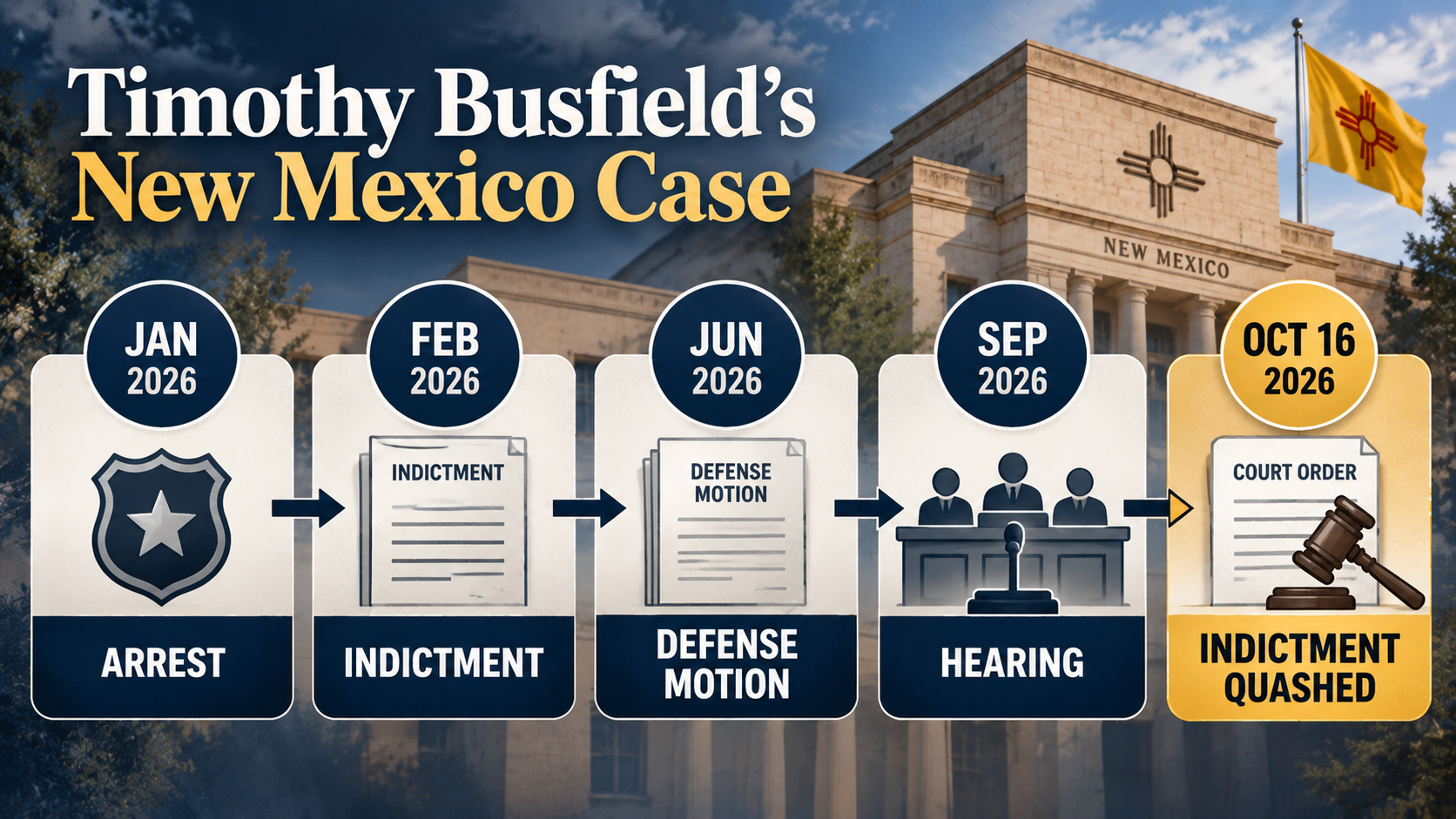
| When | What happened | What it meant |
|---|---|---|
| January 2026 | Busfield was arrested as the allegations entered the criminal court process. | The case was underway, but no trial verdict existed. |
| February 2026 | A grand jury returned a four-count indictment. | The case could proceed on those formal charges. |
| June 2026 | His lawyers moved to quash the indictment. | The defense challenged the way the grand jury had been handled. |
| September 25, 2026 | The judge heard evidence on the procedural challenge. | Witness availability and the prosecutor’s instructions were scrutinized. |
| October 16, 2026 | The judge granted the motion to quash. | The existing indictment was invalidated; a new proceeding remains legally possible. |
What Went Wrong Inside the Grand Jury Room?
Grand jurors repeatedly wanted to hear additional witnesses, but the prosecutor gave them procedural instructions the judge found unsupported by law. That prevented the jurors from hearing testimony they had asked to consider before deciding whether to indict Busfield. (New Mexico Courts)
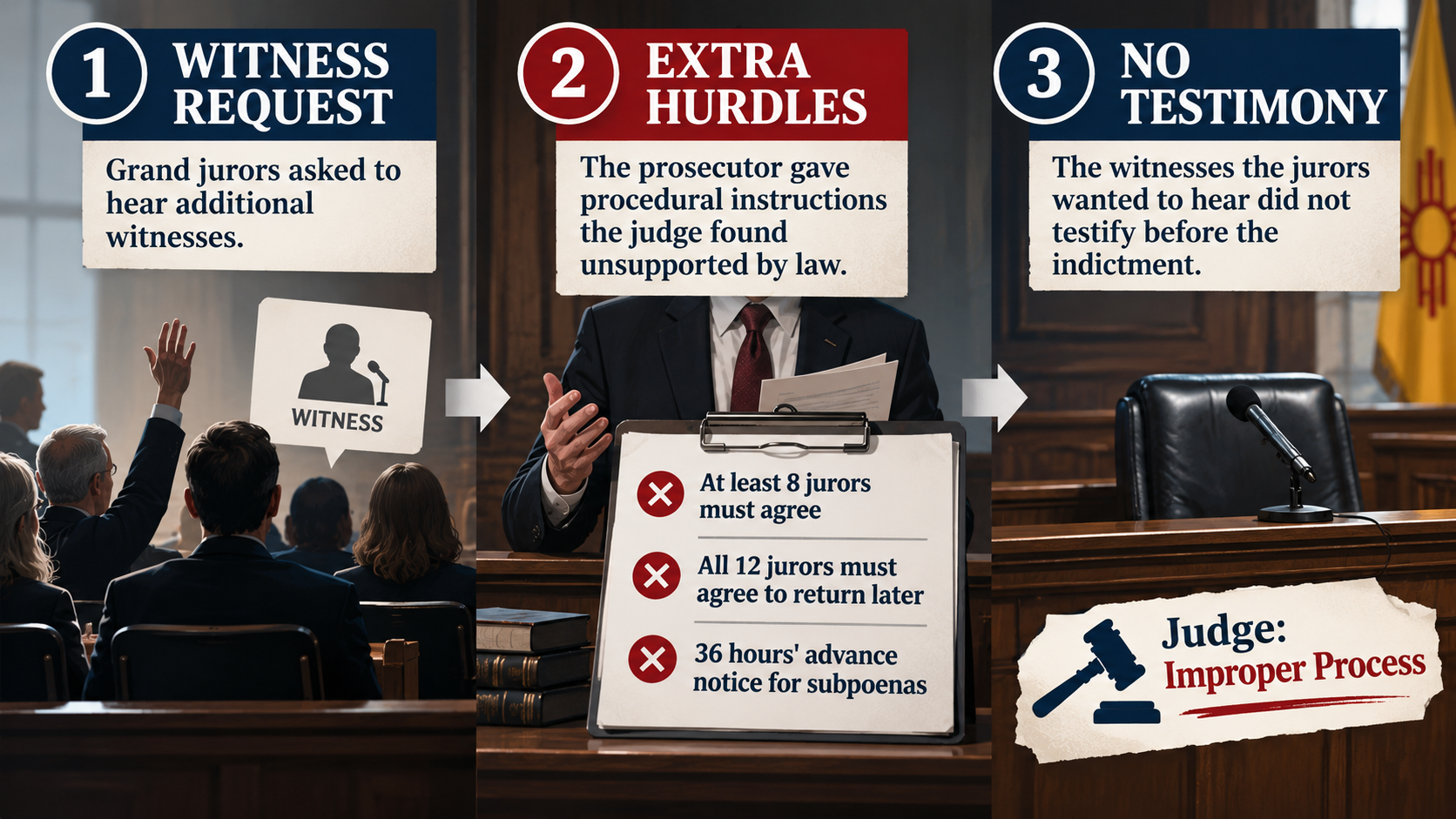
At a September hearing, eight witnesses testified that they had been at the courthouse on the day of the grand jury session and were prepared to testify if called. The October order also says several grand jurors asked to hear additional witnesses on at least three occasions. (New Mexico Courts)
Here is where the procedure became decisive:
| What jurors were told | What the court found |
|---|---|
| At least eight grand jurors would have to agree to hear an additional witness. | The judge found no law or rule establishing that requirement for calling witnesses. |
| All 12 jurors would have to agree to return later to hear testimony. | The judge found no legal basis for that additional condition. |
| Witnesses would need subpoenas with 36 hours’ advance notice. | That notice rule has exceptions, and a willing witness does not necessarily need a subpoena. |
(New Mexico Courts · New Mexico Statutes)
The number eight has a legitimate place in New Mexico grand jury law: eight of the 12 jurors must agree to return an indictment. But the judge said prosecutors could not import that threshold into a separate decision about hearing another witness. (New Mexico Statutes)
There was also a dispute about how witnesses had been brought to the courthouse. Prosecutors argued that the defense had not used the prescribed process for proposing potentially favorable evidence and had not given adequate notice. The judge acknowledged the defense had not followed that process. But he drew a distinction: once grand jurors themselves asked for more testimony, prosecutors could not effectively block their request by inventing procedural hurdles. (New Mexico Courts · KOAT)
Why Does This Matter Before a Trial Even Starts?
A grand jury does not decide whether someone is guilty. It decides whether the evidence provides probable cause to bring formal criminal charges and move toward trial. In New Mexico, that decision requires the agreement of at least eight grand jurors. (New Mexico Statutes)
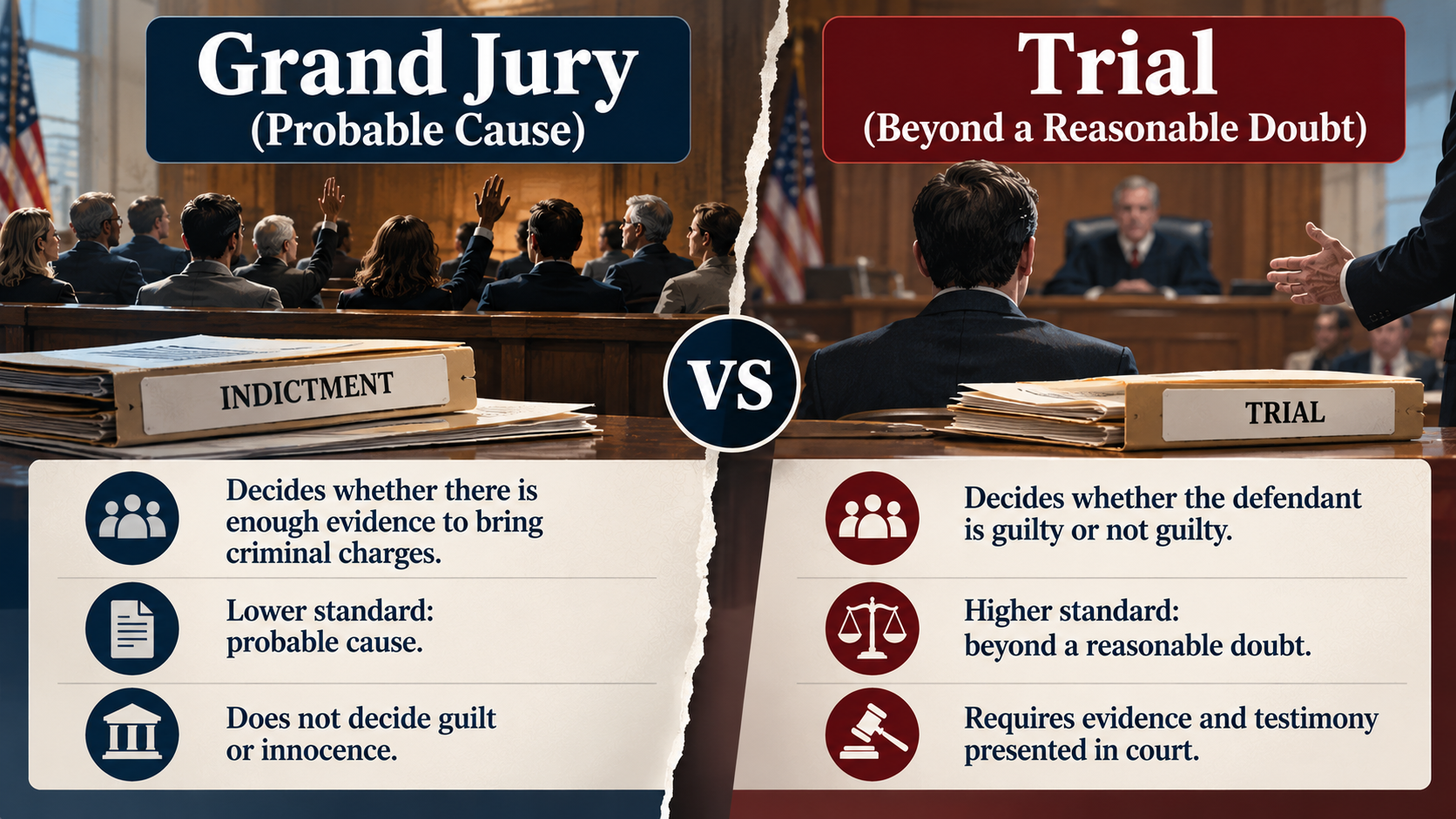
A prosecutor helps the grand jury understand the law and presents evidence. But New Mexico law also gives grand jurors a role in seeking relevant evidence that could weaken an accusation or make an indictment unjustified. That is why the prosecutor’s role cannot be reduced to simply winning an indictment. (New Mexico Statutes)
Think of the difference between deciding whether a case should go forward and deciding the case itself. The first decision can be legally defective even when the underlying allegations have never been tested at trial.
In Busfield’s case, Judge Montano found a flaw serious enough to undermine the structure of the grand jury proceeding. The order applies a presumption of prejudice because of that procedural defect; it is not a ruling that a trial jury considered the evidence and rejected the allegations. (New Mexico Courts)
Does the Dismissal Mean Busfield Was Found Innocent?
No. The October 16 ruling was neither an acquittal nor a finding that the allegations were true. It invalidated the indictment because the process used to obtain it was unfair. Busfield continues to deny the allegations, and no trial verdict has established guilt or innocence in this case. (New Mexico Courts · AP)
These legal outcomes are easy to confuse:
| Legal outcome | What it actually means |
|---|---|
| Indictment quashed | The existing formal charging document cannot stand; the court has not issued a trial verdict. |
| Acquittal | A defendant has been found not guilty of the charge at trial. |
| Conviction | A defendant has been found guilty through the criminal trial process or a guilty plea. |
This matters in both directions. Dismissing an indictment does not erase the seriousness of the accusations, and an accusation by itself does not establish criminal guilt. The judge’s decision protects the fairness of the charging process without answering the underlying factual question.
What Have Busfield’s Lawyers and Prosecutors Said?
Busfield’s legal team welcomed the ruling. Attorney Amber Fayerberg said he was relieved and grateful, and maintained that the witnesses the grand jury did not hear could support his defense. Those are the defense’s claims about what the testimony would show—not findings of innocence by the judge. (AP · Variety)
The Second Judicial District Attorney’s Office said it had received the order and was evaluating how to proceed. As of October 17, no decision to seek a new indictment had been publicly announced in the reporting reviewed. (Reuters · AP)
Those positions are not equivalent to competing verdicts. The defense describes the dismissal as a major victory; prosecutors are considering their next move. The court has ruled on how the grand jury was handled, not on the truth of the allegations.
Could Prosecutors Bring the Charges Again?
Yes. The judge’s written order expressly allows New Mexico prosecutors to institute new criminal proceedings. But permission to do so does not mean a new indictment has already been issued—or that prosecutors have decided to seek one. (New Mexico Courts · Reuters)
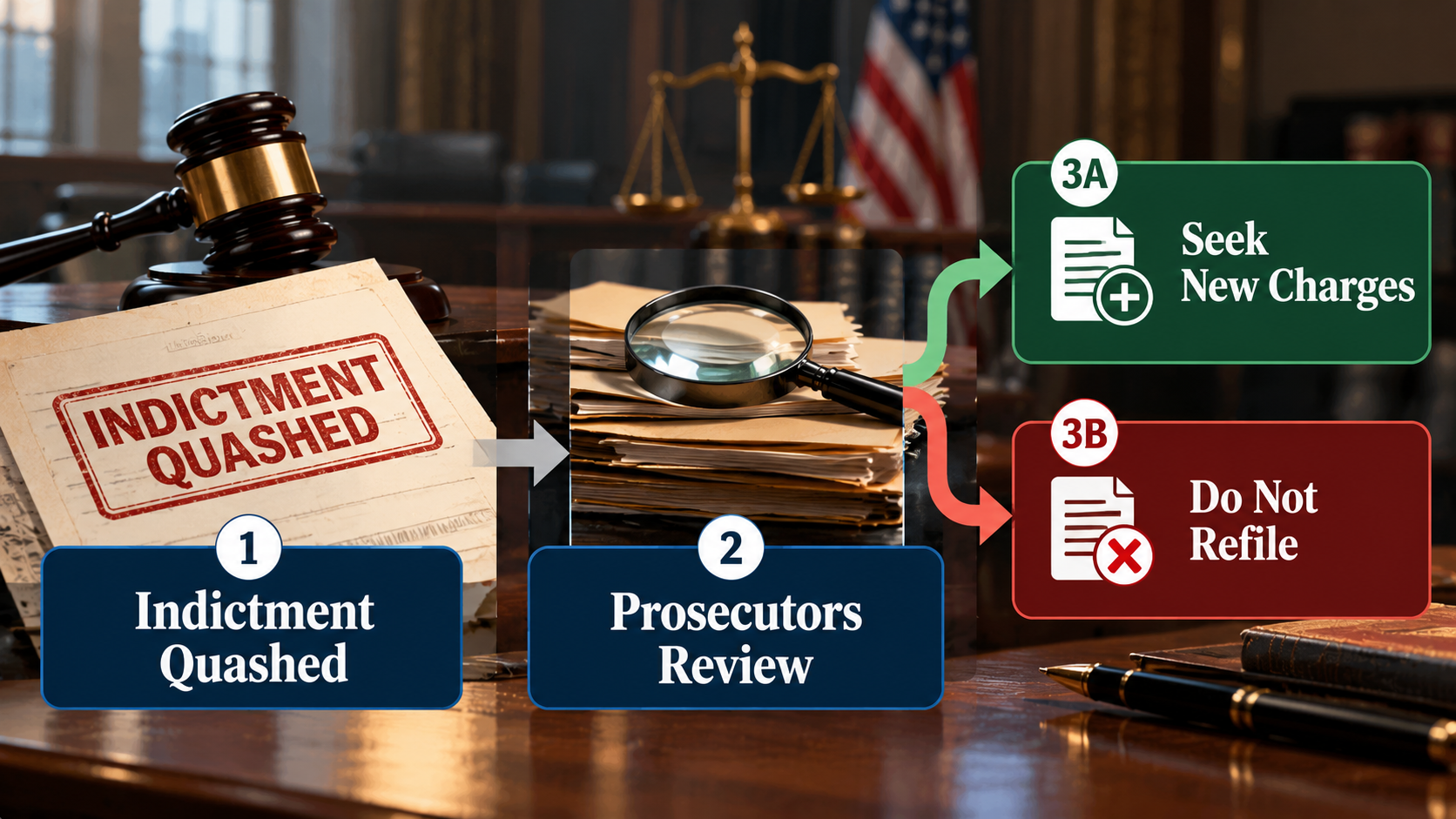
The next step depends on the district attorney’s review. Prosecutors could try to bring the case again through a legally proper process, or decide not to pursue new charges. Any new indictment would be a new charging decision, not a restoration of the invalidated one.
A new charging effort would also leave separate questions about evidence, witnesses and the defense’s objections to be addressed through the applicable legal process. The October ruling does not predict how those questions would be resolved.
Why Is This Ruling Bigger Than a Celebrity Court Headline?
The case shows why criminal procedure matters before anyone reaches a trial. New Mexico grand jurors have an independent responsibility to evaluate whether a person should face charges. If the legal instructions they receive prevent them from considering testimony they request, their decision may not satisfy the law—even though the factual dispute itself remains unresolved. (New Mexico Statutes · New Mexico Courts)
For an accused person, that safeguard limits the risk of being put on trial through an unfair charging process. For people making allegations, it underscores why prosecutors must follow the rules carefully: a procedural failure can undo months of work without resolving what happened.
The most important development to watch is therefore not another courtroom argument about whether the October dismissal was a victory. It is whether prosecutors file new charges—and, if they do, whether a new grand jury process addresses the errors the judge identified.
Bottom Line: What This Story Really Means
Timothy Busfield’s charges were dismissed because a New Mexico judge found that prosecutors improperly limited what the grand jury could hear. The ruling concerns the fairness of the indictment process, not a verdict on the alleged conduct.
That means two things can be true at once: the indictment against Busfield has been thrown out, and prosecutors still have the legal option of bringing a new case. As of October 17, 2026, they were reviewing that choice.
Timothy Busfield Charges Dismissed: Key Questions Explained
Q. How many charges were in Timothy Busfield’s indictment?
Four counts of criminal sexual contact of a minor were included in the February 2026 grand jury indictment that the judge later quashed.
Q. What does it mean to quash an indictment?
It means a court has invalidated the formal charging document. It does not, by itself, amount to a trial verdict of not guilty.
Q. Did a jury find Timothy Busfield not guilty?
No. The October 16 order came before a criminal trial verdict and focused on errors in the grand jury proceedings.
Q. How many witnesses were available to testify?
Eight people told the judge at the September hearing that they had been present and willing to testify during the grand jury proceedings if called. The grand jurors had repeatedly asked to hear additional witnesses.
Q. Why was the eight-juror rule important?
New Mexico requires eight grand jurors to agree to indict someone. The judge found that the prosecutor improperly treated eight votes as a requirement for calling additional witnesses, which is a different decision.
Q. What was the problem with the 36-hour subpoena explanation?
The prosecutor did not explain that a judge may shorten the usual notice period for subpoenaed witnesses or that a willing witness may appear without a subpoena.
Q. Can New Mexico prosecutors indict Busfield again?
Yes. The dismissal order expressly permits new criminal proceedings, though it does not require the state to bring them.
Q. Has the state announced a new indictment?
Not as of October 17, 2026, in the official response and reporting reviewed. The district attorney’s office said it was evaluating its options.
Did this help make the story clearer? 🙂 WIN keeps unpacking the “why” behind the news—clearly and simply!
Sources
The Court’s Ruling and Grand Jury Rules
New Mexico Second Judicial District Court — October 16, 2026 Order Quashing the Indictment
New Mexico Statutes § 31-6-10 — Grand Jury Indictment and Voting Requirements
New Mexico Statutes § 31-6-11 — Evidence Before the Grand Jury
New Mexico Statutes § 31-6-12 — Witness Subpoenas and Notice
The Dismissal and Case Background
Associated Press — New Mexico Judge Tosses Timothy Busfield Indictment
Reuters — Judge Dismisses Indictment Against Timothy Busfield
Arguments and Reaction
KOAT — September 25 Hearing on Motion to Dismiss the Indictment
Variety — Court Ruling and Statements From the Defense and Prosecutors
Keep Reading
How Is Throwing Out an Indictment Different From Overturning a Conviction?
Busfield’s charges were thrown out before trial. Harvey Weinstein’s New York conviction was overturned after a trial, leading to a separate legal path involving a retrial and new sentencing.
Why Was Harvey Weinstein Sentenced Again After His New York Conviction Was Overturned?