Why Did an Ohio Campaign Put Amy Acton’s Estranged Mother in an Attack Ad?

Why would a campaign ask a candidate’s own mother to tell voters not to elect her daughter?
That is the uncomfortable question hanging over Ohio’s race for governor. Republican Vivek Ramaswamy’s campaign released an ad featuring Donna Arthur, the mother of Democratic nominee Amy Acton. Arthur accuses her daughter of lying about her past. But Acton says they have not spoken since 1978, when she was 12 and her family was torn apart by allegations of serious abuse.
What first looked like an unusually personal campaign attack has become a dispute over evidence, family estrangement, and the limits of political advertising. The existence of the ad is not in dispute. The truth of its accusations is a separate question.
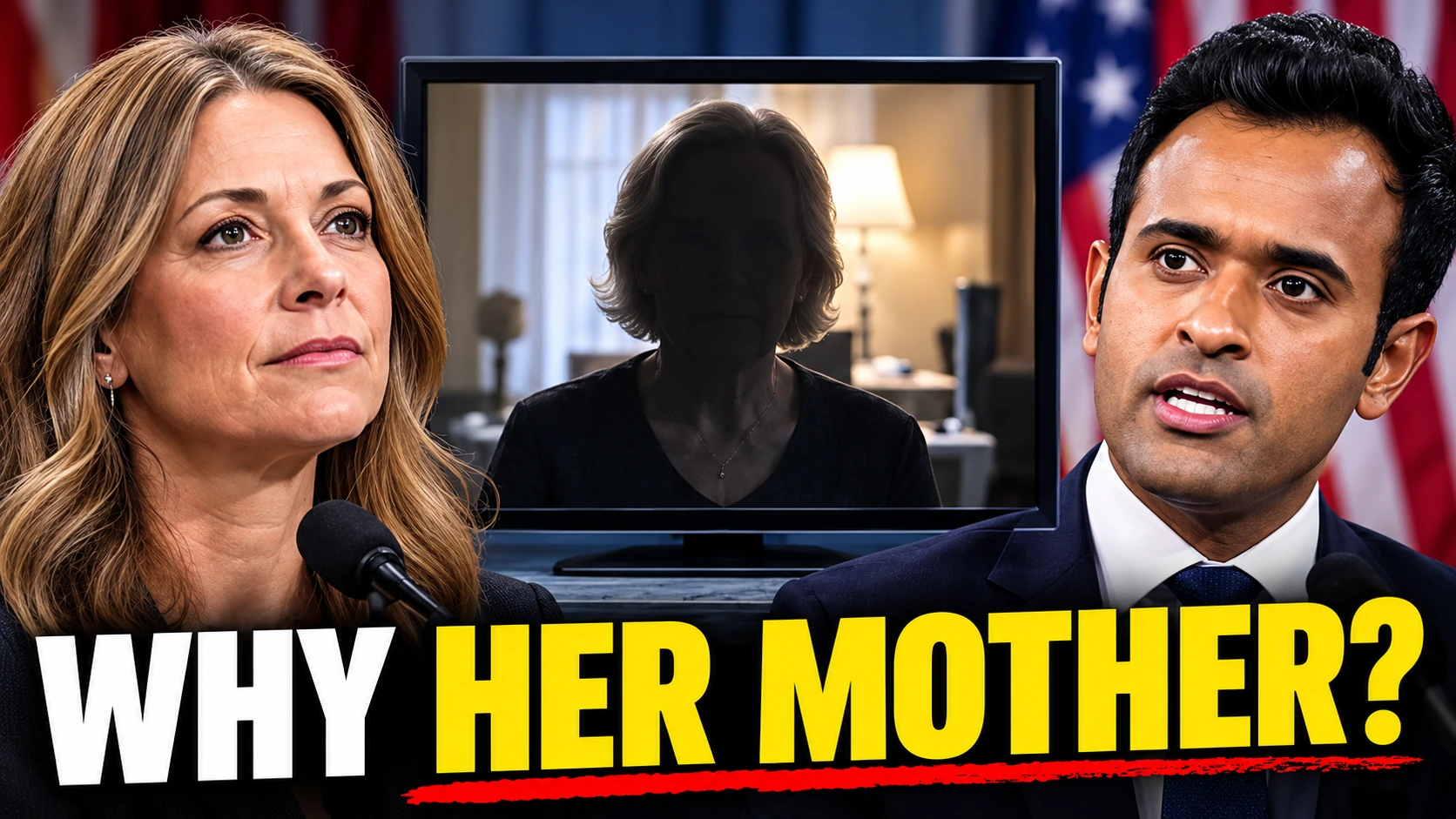
※ Images in this article are AI-generated illustrations created to help explain the story. They are not actual photographs, and depictions of people, places, or events may differ slightly from reality.
The controversy took another turn on October 24, when former President Barack Obama criticized Ramaswamy at a Cleveland rally and the campaign began airing a shorter version of the commercial. The shorter ad did not mean the campaign had withdrawn its central attack. (AP · The Washington Post)
What Did the Attack Ad Say—and What Changed on October 24?
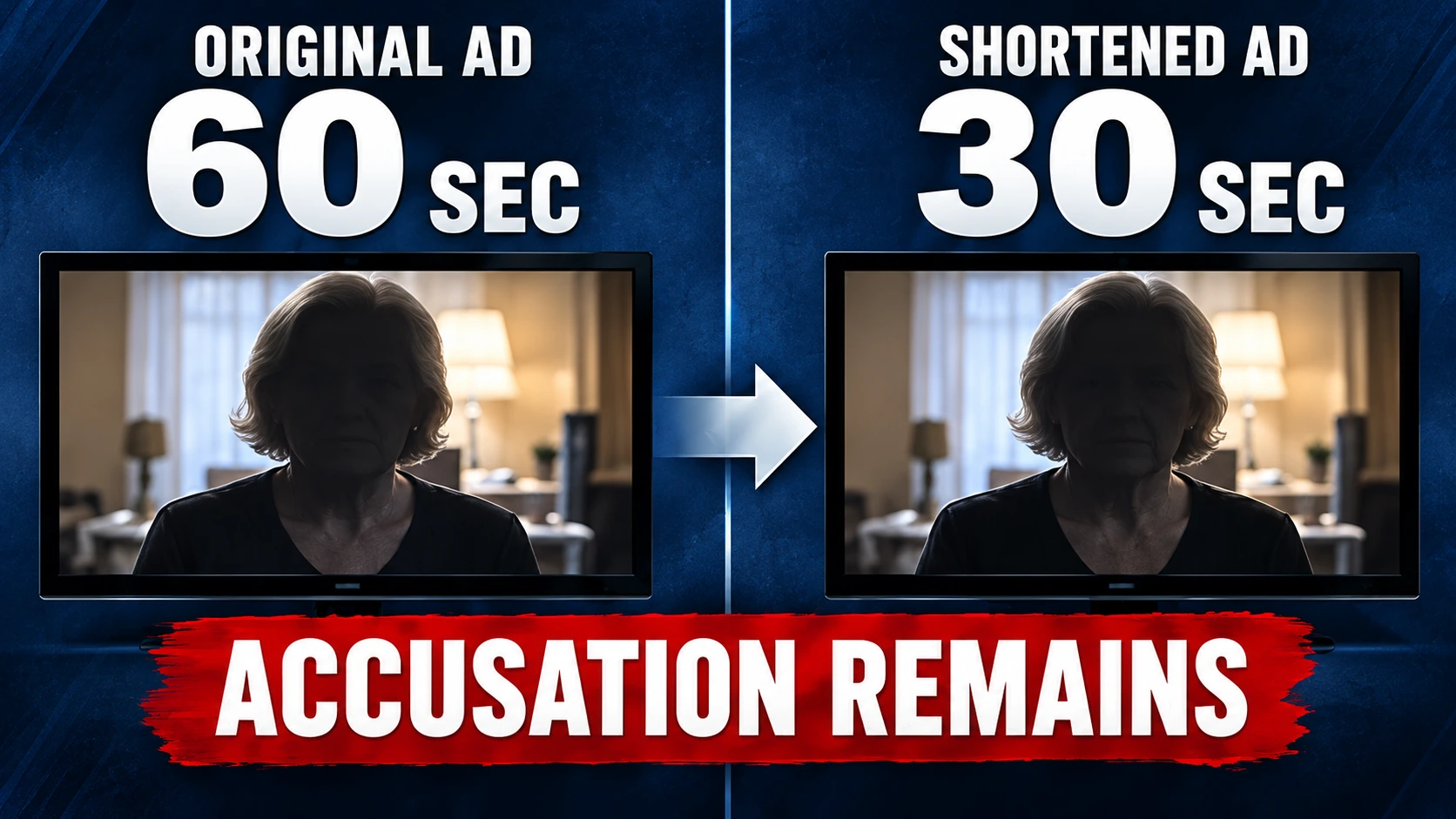
The original one-minute commercial showed Donna Arthur calling Amy Acton a liar, challenging her account of childhood homelessness, and suggesting she needed help. The accusations came from a parent Acton says she has not seen or spoken to in nearly five decades.
The video first circulated online on October 19 without clear sponsorship information. On October 20, Ramaswamy acknowledged that it came from his campaign. His team announced plans to spend $4 million promoting it—a planned advertising commitment, not proof that the full amount had already been spent. (FactCheck.org · Statehouse News Bureau)
By Saturday, October 24, a 30-second version was airing. Reporting by The Washington Post said the edited version removed Arthur’s assertion that Acton needed help and her denial of Acton’s account of living in a tent. The ad still used Arthur’s testimony to challenge her daughter. (The Washington Post)
| Version | What viewers heard | What changed |
|---|---|---|
| Original, 60 seconds | Broader accusations about Acton’s honesty, childhood and personal well-being | Became the focus of bipartisan criticism |
| Shortened, 30 seconds | Arthur continued to attack Acton’s credibility | Explicit references to needing help and the tent account were removed |
That distinction matters: editing out some language is not the same as withdrawing the allegation or establishing its truth.
Why Haven’t Amy Acton and Her Mother Spoken Since 1978?
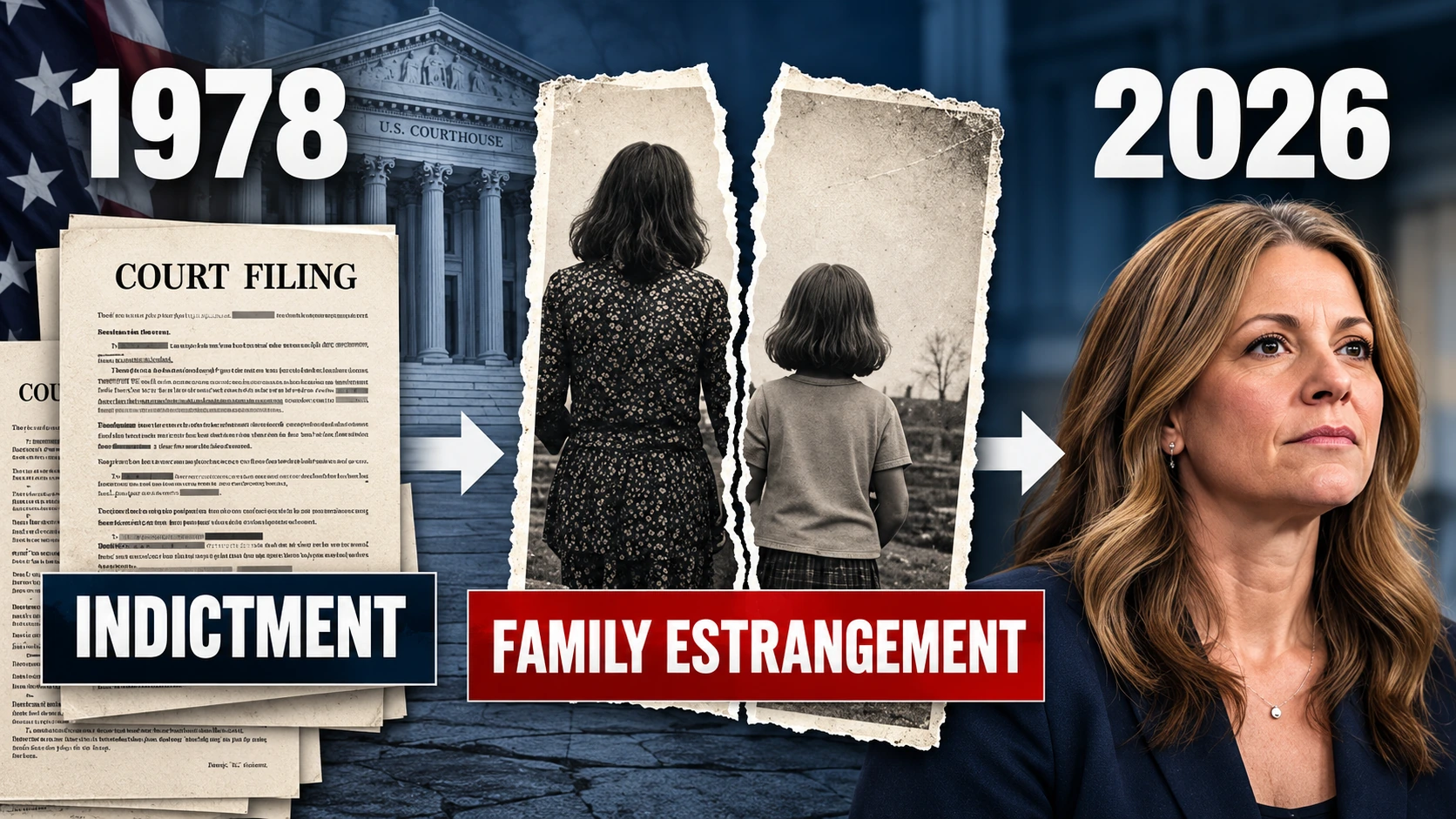
Acton says she and her younger brother were removed from their mother’s care when Acton was 12, after her stepfather, Cledith Arthur, faced a rape charge involving her. The siblings then went to live with their biological father. Acton has said that she has had no contact with her mother since that period. (PolitiFact · CBS News)
Acton’s brother, Philip Stearns, has publicly backed her account. In an October 20 statement released by her campaign, he criticized Ramaswamy for using their childhood experiences in a political ad. Stearns has also said their mother remained married to Cledith Arthur until his death. Those are Stearns’s statements, not findings from a criminal trial. (Acton for Governor)
Acton did not first reveal her childhood difficulties after the commercial appeared. She discussed abuse, unstable housing and periods of homelessness in a 2019 newspaper profile—years before this governor’s race. Arthur also publicly disputed her daughter’s version of events in a 2020 interview. The disagreement has a history; its appearance in a major paid political campaign is what made it national news now. (FactCheck.org)
This makes the ad unusual. A parent may sound like the ultimate insider, but estrangement changes how that testimony should be evaluated. A family relationship alone cannot tell voters who is telling the truth, particularly when the people involved have not had a relationship for decades.
What Do the 1978 Court Records Actually Prove?
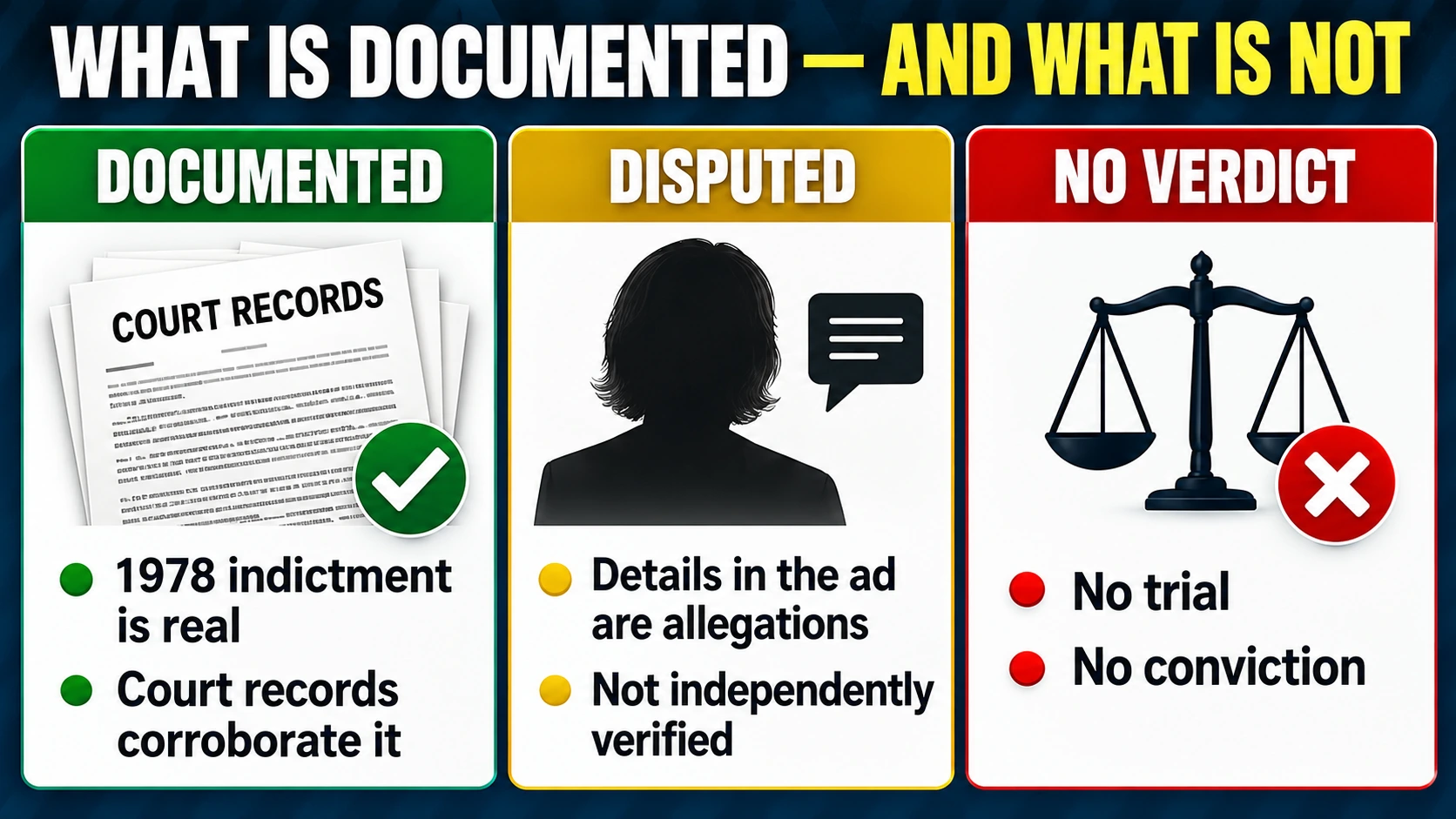
The records support important parts of Acton’s account, but they do not document a conviction for the alleged sexual assault. That is the necessary distinction when evaluating both the commercial and the responses to it.
According to court documents reviewed by independent fact-checkers, Cledith Arthur was charged in 1978 after Acton’s biological father reported the alleged abuse. He pleaded not guilty, was later indicted by a grand jury, failed to appear for a court hearing, and became the subject of an arrest warrant. The case did not proceed to trial while he was alive. (FactCheck.org · PolitiFact)
The historical evidence is easier to understand when the separate claims are lined up:
| Question | What the available evidence supports | Important limit |
|---|---|---|
| Were charges filed in 1978? | Yes. Records and contemporary reporting corroborate the criminal charge and indictment. | A charge is not a finding of guilt. |
| Was the case tried to a verdict? | Available reporting and records indicate no trial took place. | There is no criminal conviction establishing the allegation. |
| Was the family relationship severed? | Acton and her brother say they were removed from their mother’s custody; contemporaneous records support the serious disruption. | Private conversations over decades cannot be independently reconstructed. |
| Did Acton experience housing instability? | Acton described it before the election; later records connect her stepfather to the campground she mentioned. | Those records do not independently verify every detail of living in a tent in winter. |
The last row is particularly revealing. A 1978 document listed a campground address, and a later police account referred to the stepfather having stayed there. That evidence is relevant to Acton’s history, but it should not be stretched into a claim that every memory of childhood hardship has been independently proven. Nor does the absence of complete records establish that Acton’s account is false. (FactCheck.org)
This is where the ad’s central argument becomes difficult: Arthur’s accusations are allegations from a family member, whereas several major elements of Acton’s history have been corroborated by documents and contemporaneous reporting. Voters can assess both, but they should not mistake the accusation for an established finding.
Why Did Ramaswamy Use the Ad Despite Criticism From Republicans?
Ramaswamy has argued that voters should hear people who dispute Acton’s credibility. His team said the ad tested favorably among persuadable voters, which helps explain the decision to promote it despite the backlash. That is the campaign’s stated rationale—not independent proof that the advertisement will win votes. (Statehouse News Bureau · ABC News)
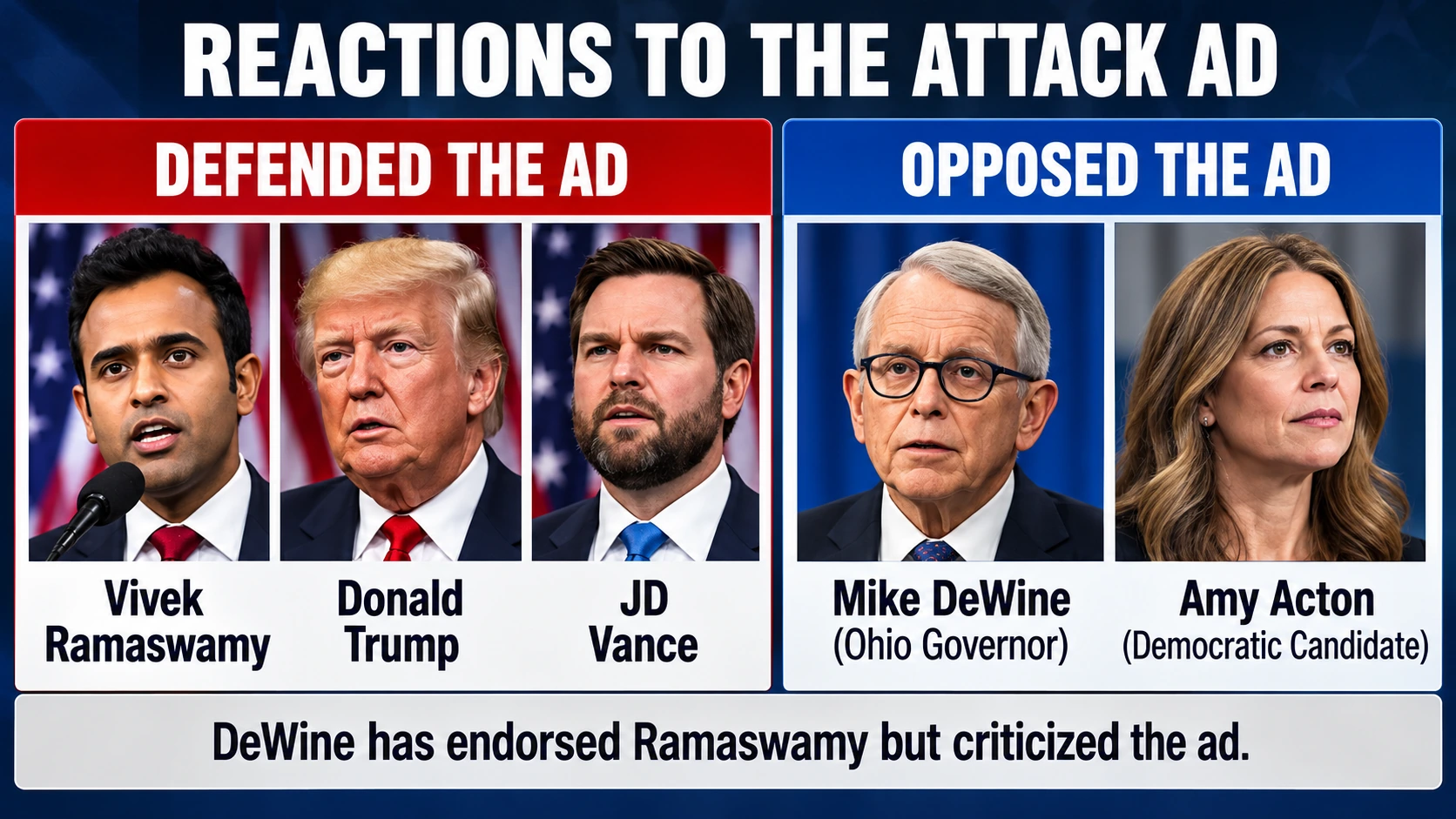
The Republican response has been strikingly divided. President Donald Trump defended the commercial and urged Ramaswamy to continue running it. Vice President JD Vance also defended the campaign. But Ohio Governor Mike DeWine called the ad wrong and urged Ramaswamy to remove it. DeWine had endorsed Ramaswamy and did not withdraw that endorsement when he criticized the commercial. (AP · CBS News)
| Political figure or campaign | Public position on the ad |
|---|---|
| Vivek Ramaswamy | Defended using Arthur’s accusations and stood by his campaign’s ad. |
| Donald Trump and JD Vance | Defended the ad or the decision to air it. |
| Ohio Gov. Mike DeWine | Condemned it and called for its removal, despite endorsing Ramaswamy. |
| Amy Acton and her campaign | Condemned the use of her estranged mother and countered with accounts and documents. |
Acton’s campaign also released a response commercial featuring her brother, who described their childhood and challenged Ramaswamy’s approach. The two campaigns are therefore offering competing witnesses and competing versions of what the family history means—but court records provide a separate benchmark for checking factual claims. (Acton for Governor)
Why Did Barack Obama Enter This Ohio Fight?
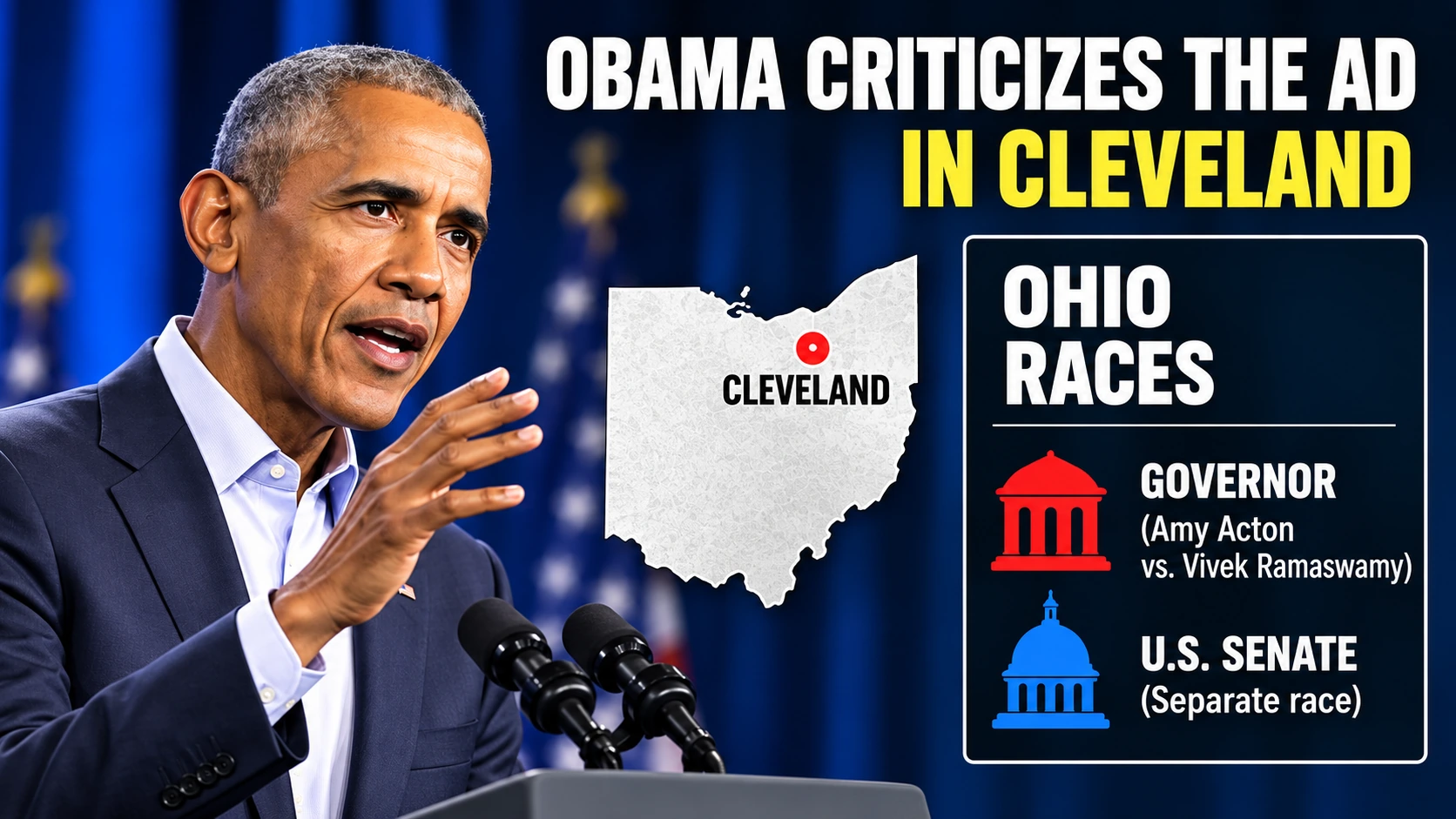
Obama’s intervention on October 24 brought the controversy into a larger argument about the standards of political campaigning. Speaking in Cleveland in support of Acton and Democratic U.S. Senate candidate Sherrod Brown, the former president attacked Ramaswamy’s decision to use the family video and argued that personal ambition should not erase standards of decency. (AP · The Washington Post)
That intervention was both a moral criticism and a campaign move. Ohio was a state Obama carried in 2008 and 2012, but Trump won it in 2016, 2020 and 2024. A Democratic win in the 2026 governor’s race would be notable after years of Republican success at the state level. (The Washington Post)
There is another relationship worth knowing: Acton served as Ohio’s health director during the COVID-19 pandemic under Republican Governor DeWine. That history helps explain why DeWine’s rejection of the ad carried weight beyond the usual exchanges between rival parties. (AP)
The dispute is now doing several jobs at once: raising questions about the treatment of a candidate’s personal history, exposing a split among Republicans, and giving Democrats a concrete example for their broader argument about political conduct.
Could This Ad Actually Decide Ohio’s Governor’s Race?
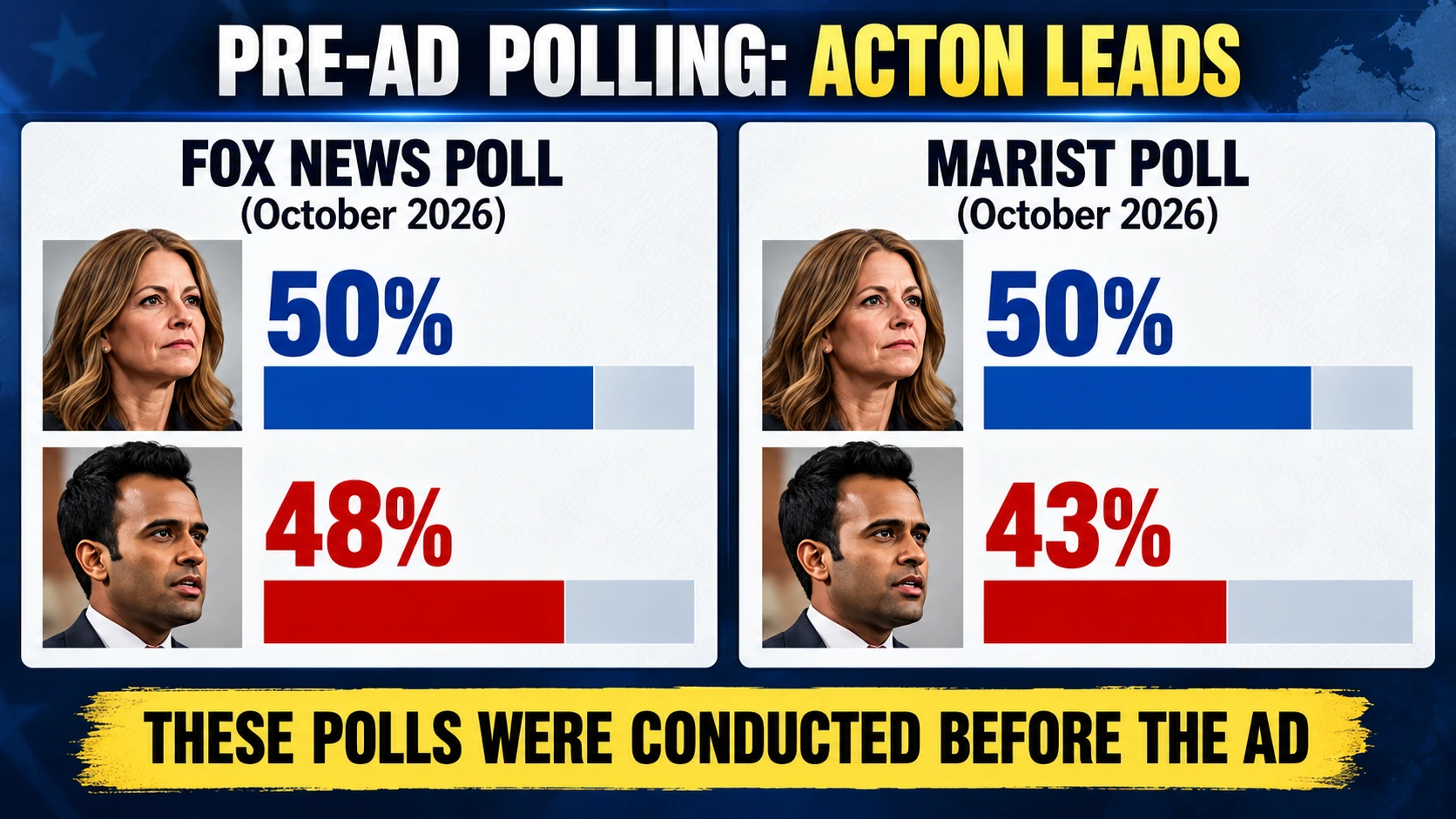
It is possible for the controversy to matter in a close race. But the available polls cited here do not demonstrate whether the advertisement gained votes for Ramaswamy or cost him support, because they were completed before the video circulated publicly.
A Fox News poll conducted October 15–19 found Acton ahead 50% to 48% among likely voters. A Marist poll conducted October 15–18 put the race at 50% to 43%. Both are snapshots, not predictions, and their different results underscore why an individual poll should not be mistaken for the final outcome. (Fox News · Marist Poll)
| Poll | Acton | Ramaswamy | When respondents were surveyed |
|---|---|---|---|
| Fox News, likely voters | 50% | 48% | October 15–19, before the ad became public |
| Marist, likely voters | 50% | 43% | October 15–18, before the ad became public |
Campaigns sometimes take risks because internal testing suggests that certain messages could move persuadable voters. That does not mean the same message will have the same effect once the public sees it, journalists examine it, and prominent figures criticize it. Here, the $4 million promotion plan and the bipartisan backlash both matter; neither settles the question of electoral impact.
The November 3 election will decide who succeeds term-limited Republican Governor DeWine. Before then, evidence of the ad’s effectiveness would require reliable polling or other data gathered after it aired, with appropriate caveats about what caused any change. (Marist Poll · AP)
What Should Readers Watch Between Now and Election Day?
The next development is not necessarily another accusation. It could be whether the shorter advertisement remains on the air, whether the campaigns present additional independently checkable evidence, or whether Ohio voters begin to react differently in surveys conducted after the controversy.
Readers should separate three questions that campaign coverage can easily blur: Who said it? What evidence supports it? And is there proof that it changed voters’ minds? A biological connection answers only the first. A fact-check addresses the second. Reliable post-ad voter research would be needed to assess the third.
For now, the ad and its shortened version are confirmed campaign events, the 1978 charges and missing trial are documented parts of the background, and the ad’s effect on the election remains unproven.
Bottom Line: What This Story Really Means
Ramaswamy used Amy Acton’s estranged mother in a campaign commercial because his team believed her accusations could undermine the Democratic nominee’s credibility. What the ad did not explain was their nearly 50-year estrangement or the historical records that support significant elements of Acton’s account of childhood hardship.
On October 24, Obama denounced the tactic and a shorter version of the ad began airing, but neither development resolved the underlying dispute. The case has become a test of whether voters accept a dramatic family accusation, demand independent evidence, or judge the campaign’s decision to use it as part of the story itself.
Amy Acton Mother Attack Ad: Key Questions Explained
Q. Who is Amy Acton?
Amy Acton is the Democratic nominee for Ohio governor in 2026. She is a physician and served as the state’s health director during the COVID-19 pandemic.
Q. Who is Donna Arthur?
Donna Arthur is Acton’s biological mother. She appeared in a Vivek Ramaswamy campaign ad challenging Acton’s honesty, despite a decades-long estrangement.
Q. Did Acton’s mother and daughter really lose contact in 1978?
Acton says she has not seen or spoken to her mother since she was 12. Her brother has supported the account of their separation following the 1978 criminal case involving their stepfather.
Q. Was Amy Acton’s stepfather convicted of raping her?
No conviction has been established in the records reviewed by fact-checkers. He was charged and indicted in 1978, pleaded not guilty, and did not stand trial. The absence of a verdict should not be confused with proof that Acton’s account was false.
Q. Did the 30-second ad withdraw its accusations?
No. The shortened version removed some disputed references, including comments about Acton needing help and having lived in a tent, but continued attacking her credibility.
Q. Did the Ramaswamy campaign admit producing the commercial?
Yes. Ramaswamy acknowledged on October 20 that it came from his campaign. His team announced plans for a $4 million promotional effort.
Q. Why did Governor Mike DeWine object to a fellow Republican’s ad?
DeWine said the commercial was wrong and called for its removal. He had endorsed Ramaswamy, but his criticism reflected disagreement over this campaign tactic—not a publicly announced change in his endorsement.
Q. Why did Barack Obama criticize the ad?
At an October 24 Cleveland rally for Acton and Sherrod Brown, Obama framed the advertisement as an example of unacceptable political conduct and criticized Ramaswamy’s judgment.
Q. Do polls show whether the ad worked?
Not the pre-ad surveys discussed here. The Fox News and Marist polls cited in this article were completed before the commercial began circulating publicly, so they cannot establish its impact.
Did this help make the story clearer? 🙂 WIN keeps unpacking the “why” behind the news—clearly and simply!
Sources
October 24 Developments and the Edited Advertisement
AP — Obama Criticizes Cruelty and Indecency at Ohio Rally
The Washington Post — Obama Criticizes Ramaswamy as Campaign Shortens Ad
Family History, Court Records and Fact-Checking
FactCheck.org — Records Support Key Parts of Acton’s Childhood Account
PolitiFact — Abuse, Estrangement and the Ohio Governor’s Ad
Acton for Governor — Statement From Philip Stearns
Acton for Governor — Response Ad Featuring Her Brother
Campaign Responses and Republican Divisions
AP — Trump Defends Ramaswamy Amid GOP Criticism
Statehouse News Bureau — Ramaswamy Campaign Confirms Ad and Spending Plan
ABC News — Ramaswamy Defends the Advertisement