Why Was Trump’s $10 Billion Wall Street Journal Lawsuit Dismissed?

If the president says a newspaper published a false story about him, why can’t he simply sue and make the paper prove it was right?
That question sits at the center of Donald Trump’s legal fight with The Wall Street Journal. The dispute concerns a letter bearing his name that the newspaper reported was included in a birthday album for Jeffrey Epstein. Trump has repeatedly denied writing or signing it.
On October 31, 2026, a federal judge dismissed Trump’s amended defamation lawsuit with prejudice. But the ruling did not establish who wrote the letter. It addressed a different question: Had Trump alleged enough facts to show that the newspaper published its reporting knowing it was false, or with serious doubts about its truth? The judge said no. (U.S. District Court · Reuters)
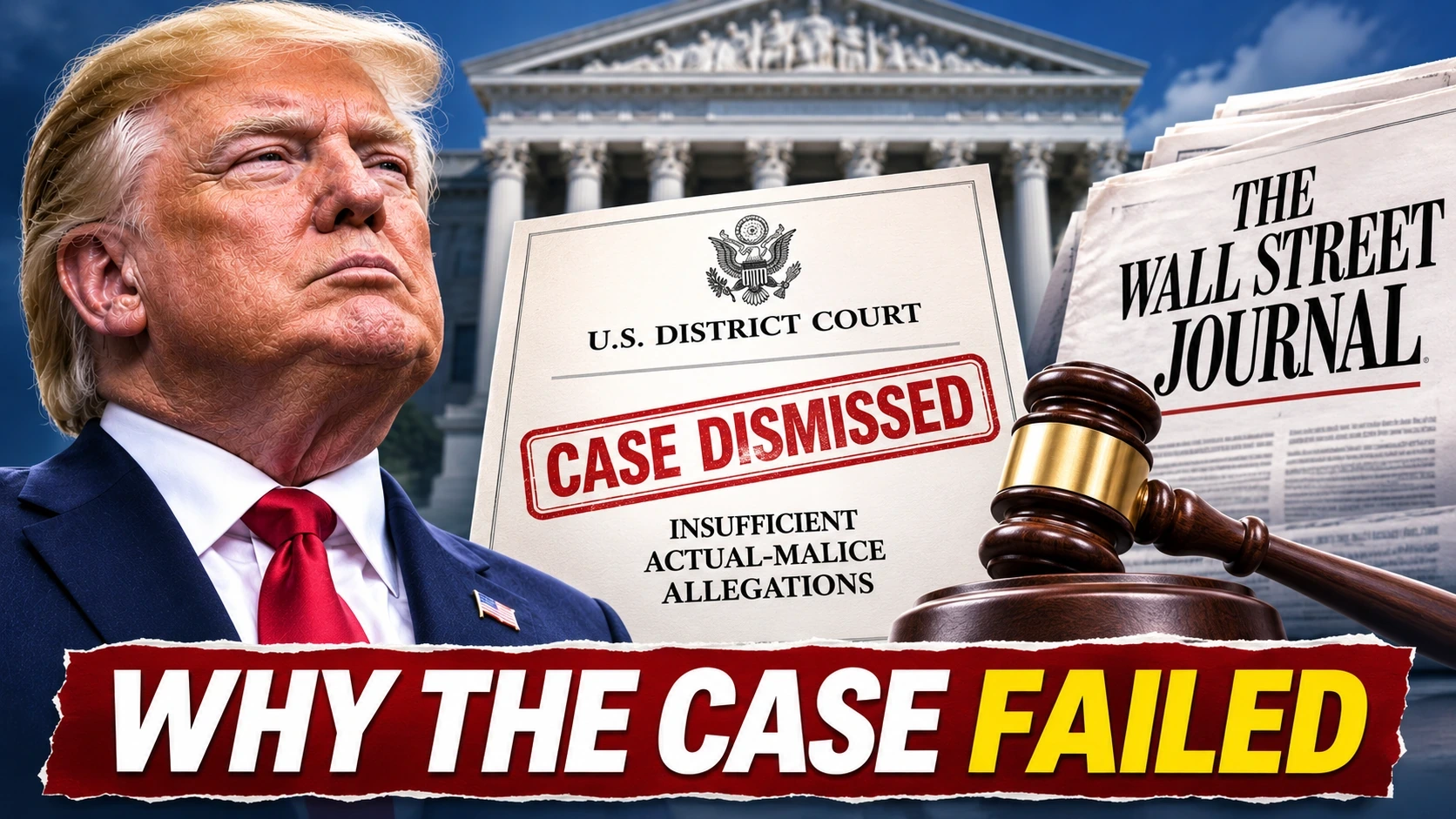
※ Images in this article are AI-generated illustrations created to help explain the story. They are not actual photographs, and depictions of people, places, or events may differ slightly from reality.
The distinction matters because a failed defamation claim is not the same thing as a court finding that every statement in a news article was true.
How Did a 2003 Birthday Album Turn Into a $10 Billion Lawsuit?
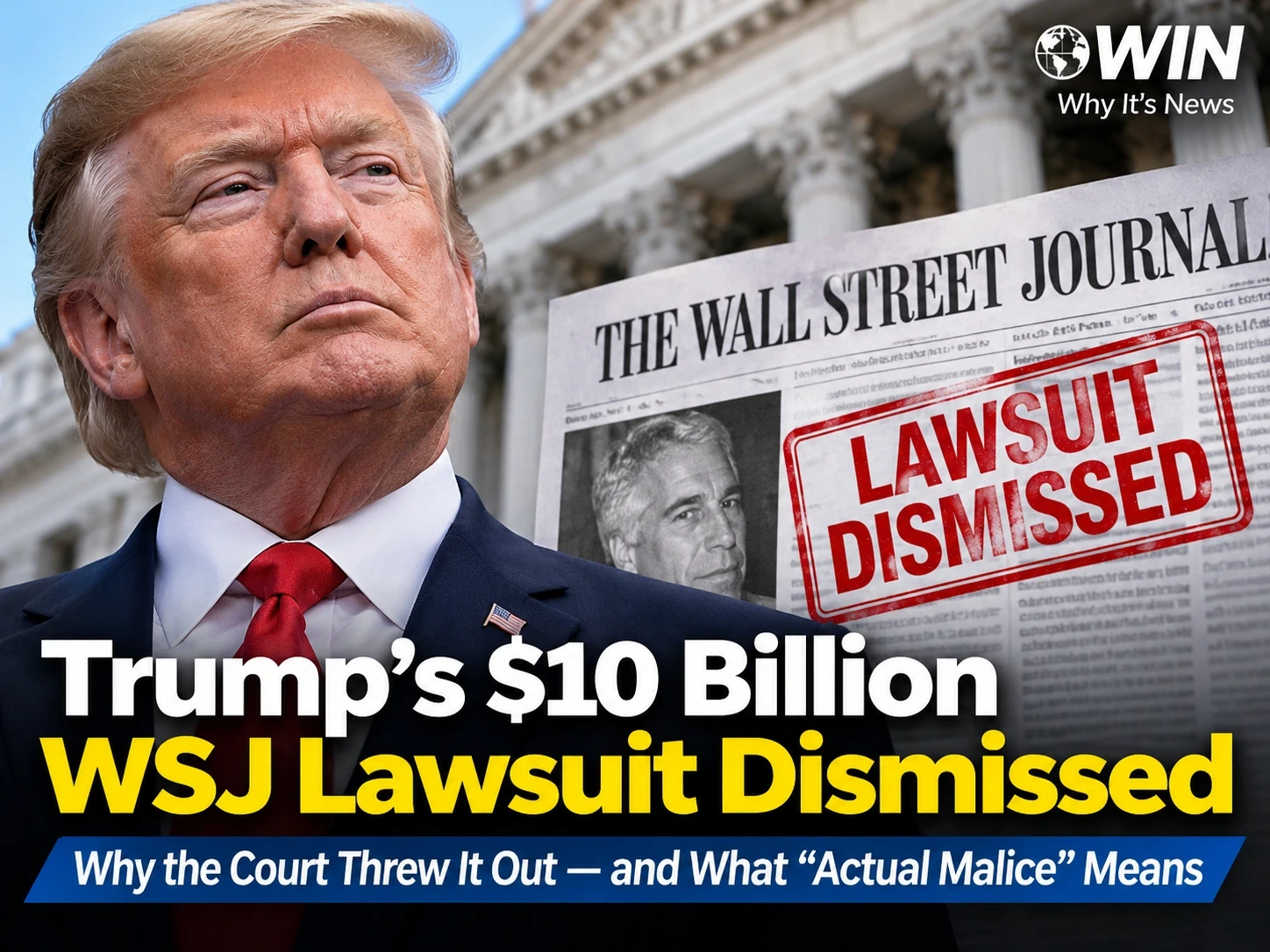
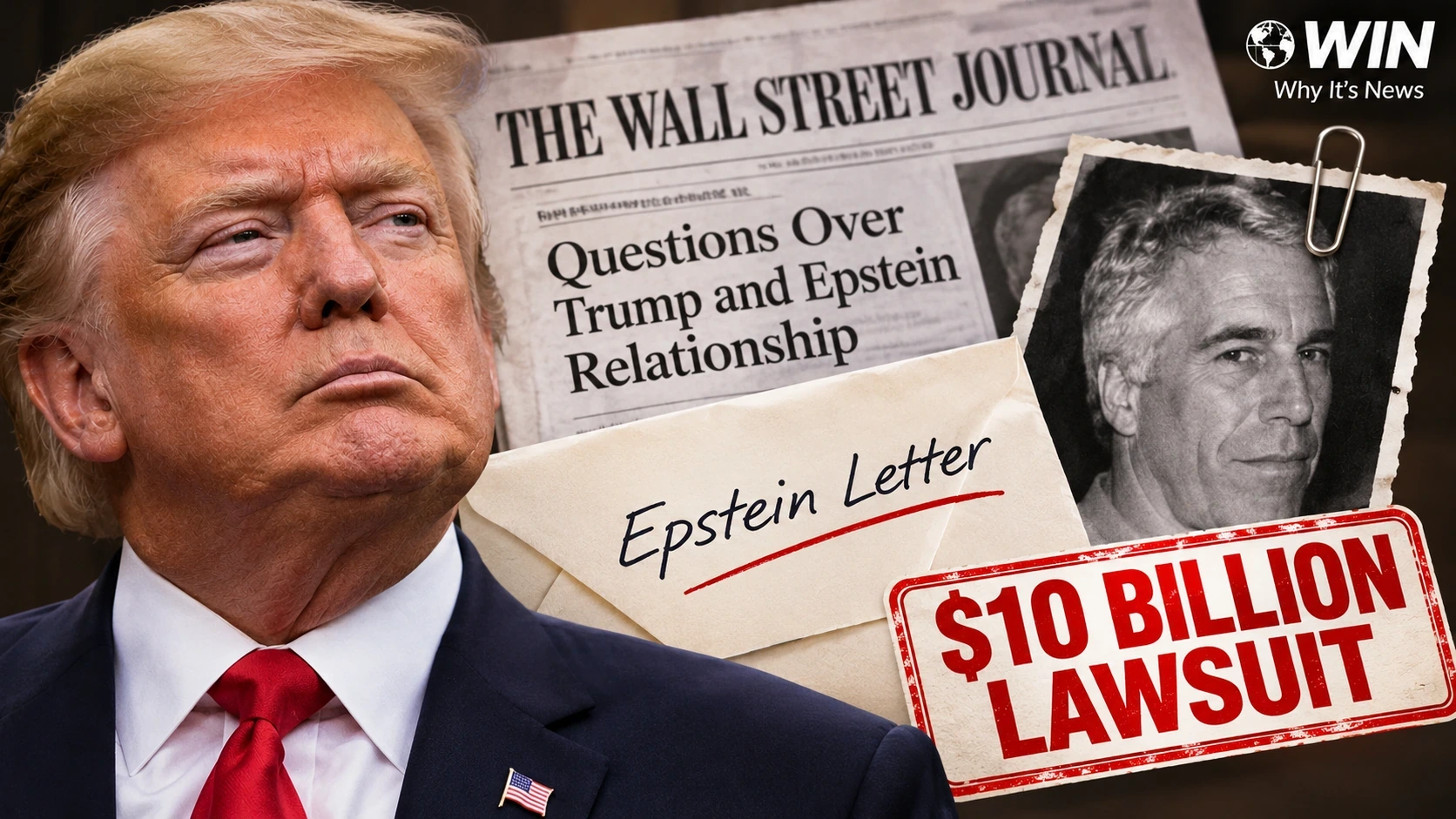
The lawsuit began with a July 17, 2025, Wall Street Journal report about a birthday book assembled for Epstein’s 50th birthday in 2003. The newspaper described a sexually suggestive page bearing Trump’s name, including a drawing and an imagined exchange between Trump and Epstein. Trump denied creating or signing it. (The Wall Street Journal)
The following day, Trump sued the newspaper’s publisher, Dow Jones, its parent News Corp, Rupert Murdoch, Robert Thomson, and the two reporters involved. His amended case sought at least $10 billion in damages. The lawsuit alleged that the reporting was false and harmed his reputation. (U.S. District Court · Reuters)
The story took another turn in September 2025, when a House committee released material obtained from Epstein’s estate, including the birthday book. The release made the disputed page publicly visible, but it did not settle whether Trump had authored or signed it. (House Oversight Committee · AP)
| Date | What happened |
|---|---|
| 2003 | A birthday album was assembled for Epstein’s 50th birthday. |
| July 17–18, 2025 | The Journal reported on the disputed page; Trump filed suit the next day. |
| September 8, 2025 | A House committee released records from Epstein’s estate, including the album. |
| April–May 2026 | The judge dismissed the initial complaint but allowed an amended filing, which Trump submitted. |
| October 31, 2026 | The judge dismissed the amended complaint with prejudice. |
This chronology helps explain why the latest decision concerns the lawsuit, not a newly discovered birthday letter.
Why Did the Judge Dismiss Trump’s Defamation Case?
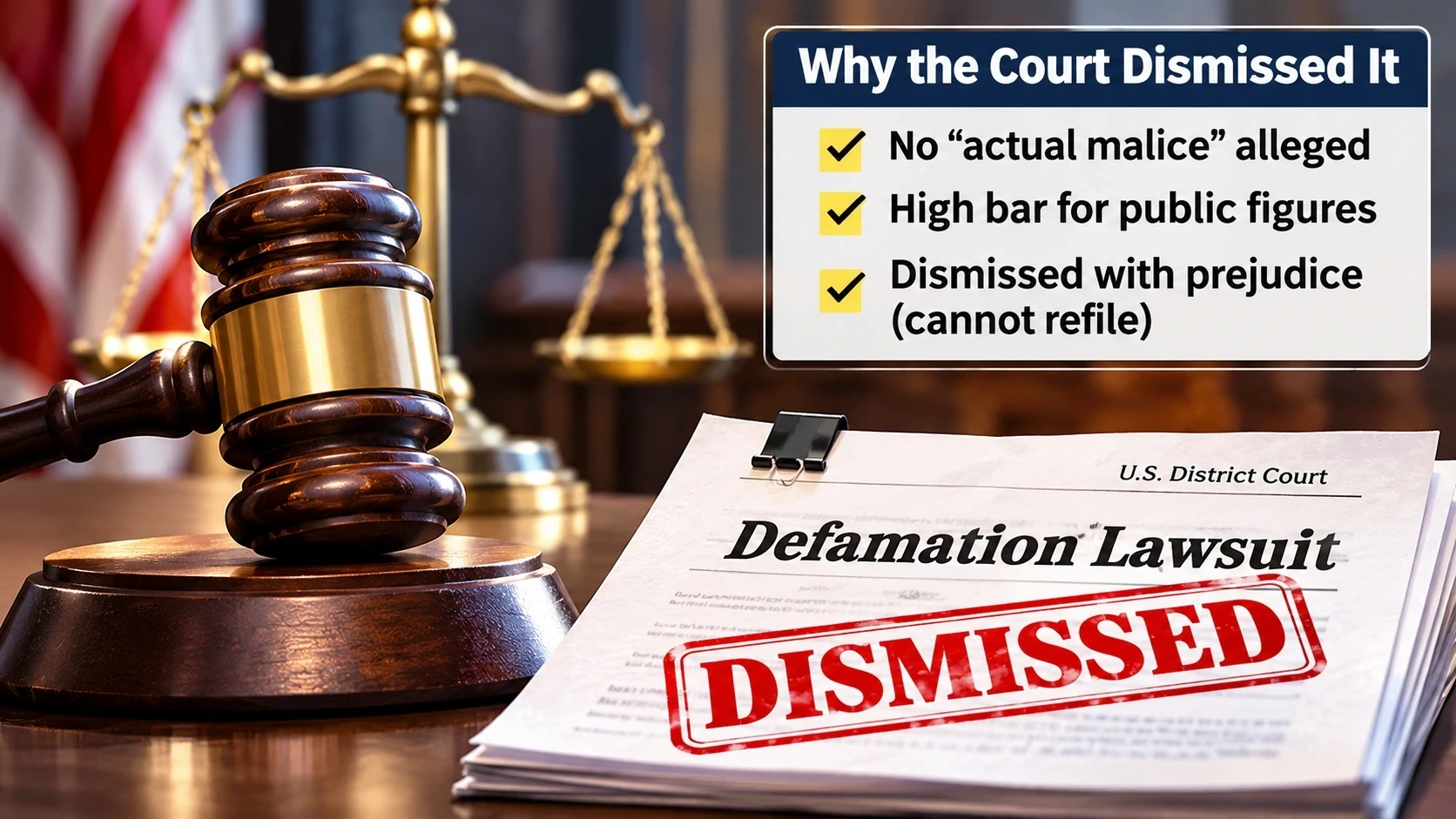
The judge found that Trump’s revised complaint still did not plausibly allege “actual malice,” a constitutional requirement in a public figure’s defamation case. U.S. District Judge Darrin P. Gayles ruled that assertions about the newspaper’s supposed knowledge of falsity were not supported by sufficiently specific allegations. (U.S. District Court)
Trump argued, among other things, that the Journal continued with its story after he denied the letter was authentic, and that its investigation had significant shortcomings. The judge rejected the idea that a subject’s denial, by itself, requires journalists to abandon a story.
Gayles pointed to reporting steps described in the article, including requests for comment from Trump and his team, federal agencies, and people connected to the album. He also noted that the newspaper told readers Trump disputed the letter. In the judge’s view, the revised complaint did not plausibly establish that the defendants knew their report was false or deliberately avoided the truth. (U.S. District Court)
One legal detail is easy to miss: This was a ruling on a motion to dismiss, not a verdict after a trial. At this stage, the question was whether the complaint set out a legally sufficient claim, not whether a jury had weighed competing handwriting evidence.
What Does “Actual Malice” Mean—and Why Is It So Hard to Show?
In everyday speech, malice sounds like hatred or a desire to hurt someone. In U.S. defamation law, actual malice has a narrower meaning: publishing a false statement while knowing it is false, or acting with reckless disregard for whether it is true.
That standard comes from the Supreme Court’s 1964 decision in New York Times Co. v. Sullivan. It gives public officials—and, under later rulings, public figures—a higher burden when suing over damaging factual claims. The goal is to protect robust public debate without giving publishers permission to knowingly spread falsehoods. (U.S. Courts)
| What a plaintiff points to | Does it establish actual malice by itself? |
|---|---|
| A public figure denies the story | No. The denial must be considered in context. |
| A reporter makes a mistake | Not necessarily. An error alone is insufficient. |
| A journalist dislikes the person being covered | No. Personal hostility is not the legal test. |
| A publisher knows a factual claim is false, or seriously doubts it and publishes anyway | This can meet the actual-malice standard. |
In the Trump case, the judge said the complaint did not support a plausible inference that the newspaper knowingly published a falsehood or acted with the required reckless disregard. The court distinguished a possibly imperfect investigation from a deliberate effort to avoid learning the truth. (U.S. District Court)
Did the Court Decide Whether Trump Actually Wrote the Epstein Letter?
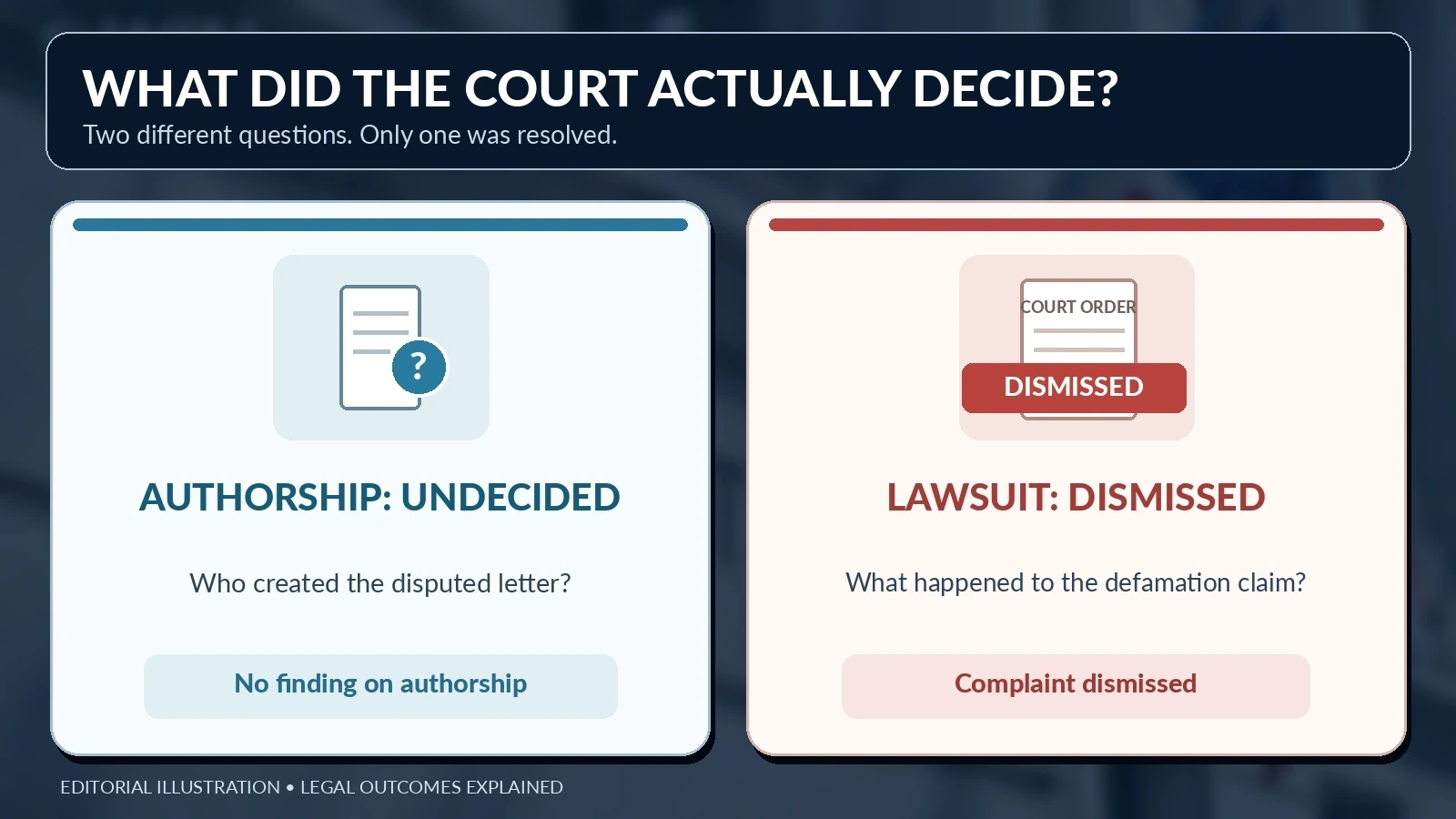
No. The dismissal did not establish that Trump wrote, drew, or signed the letter. Nor did it establish that the letter was forged. The judge explicitly treated authorship and the relationship described in the reporting as factual questions that could not be resolved on this motion to dismiss. (U.S. District Court)
In its earlier April ruling, the court also declined to treat the birthday book supplied by Epstein’s estate and released by a House committee as conclusively identical to the material the Journal reviewed before publication. That procedural decision did not resolve the document’s authenticity. (U.S. District Court)
Trump continues to deny creating the letter. The newspaper has defended its reporting, and its publisher welcomed the October 31 ruling. Neither side’s position should be confused with a judicial finding about authorship. (U.S. District Court · The Washington Post)
This is also a civil dispute over published reporting. The ruling did not determine whether Trump was involved in any of Epstein’s crimes.
What Does “Dismissed With Prejudice” Mean? Can Trump Appeal?
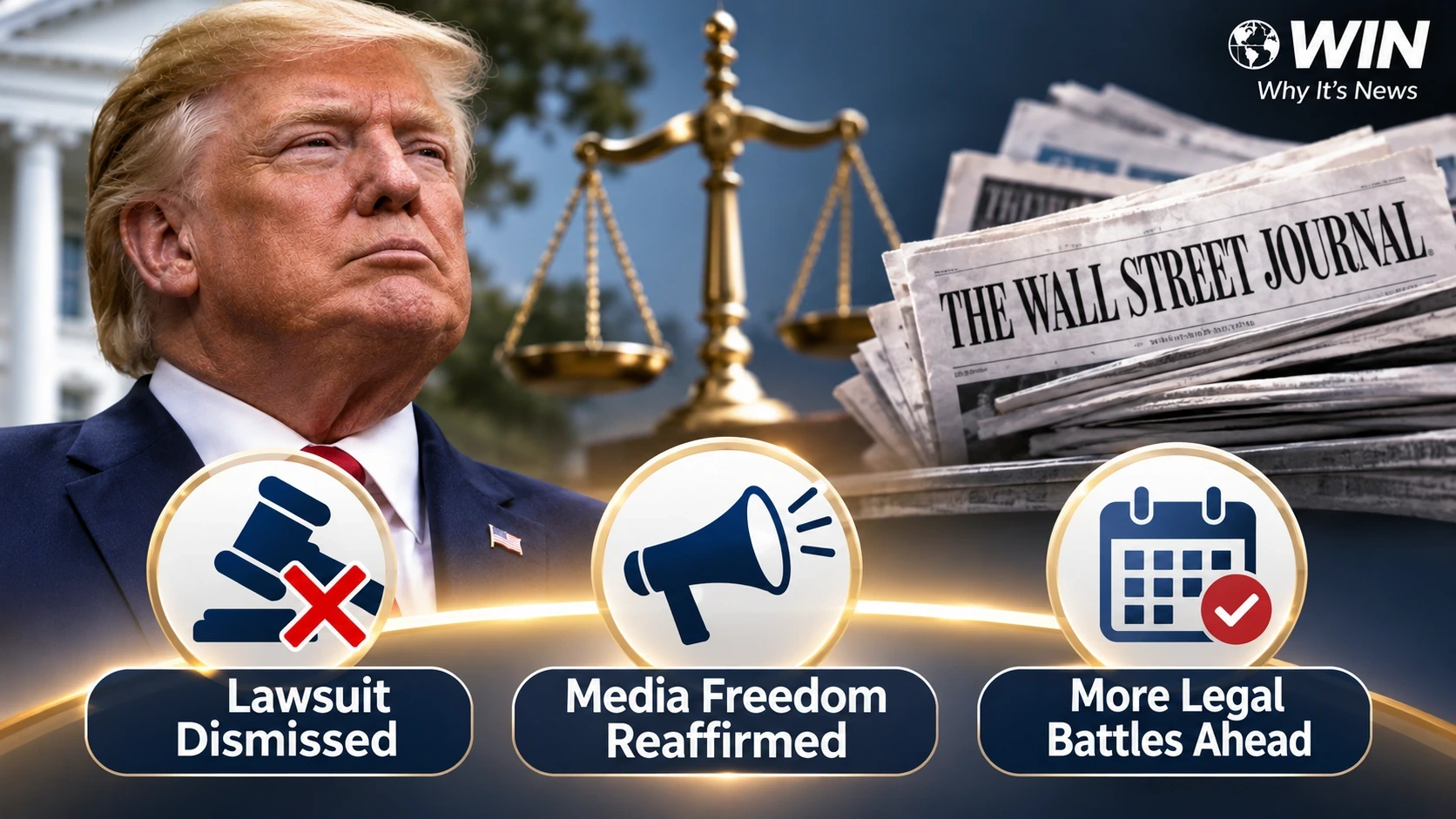
“Dismissed with prejudice” means Trump cannot simply amend or refile the same defamation claims in that district court. It does not mean he is barred from asking an appeals court to review the dismissal.
In April 2026, Gayles dismissed Trump’s first complaint without prejudice, leaving an opportunity to try again. Trump filed an amended complaint on May 27. The judge dismissed that amended version on October 31 with prejudice, explaining that Trump had now had two chances to plead a viable case. (U.S. District Court)
Trump’s legal team said it intended to appeal. An appeal would ask a higher court to review the district judge’s legal decision; it would not automatically reopen the case or establish the letter’s authenticity. (The Washington Post)
There is also a separate unresolved issue. The Journal’s side requested attorneys’ fees and costs under laws designed to discourage certain meritless lawsuits targeting public participation, sometimes called anti-SLAPP laws. Gayles did not decide that request in the October 31 order. Instead, he allowed a fee motion within 30 days and reserved authority to consider it. (U.S. District Court)
Why Does This Ruling Matter Beyond Trump and the Journal?
The decision illustrates a First Amendment protection that affects reporting on presidents, candidates, executives, and other public figures: a complaint must identify more than an allegedly inaccurate or offensive story. It must plausibly allege the publisher’s state of mind under the actual-malice standard.
That rule does not give news organizations blanket immunity. A public figure can still prevail in a defamation case when the necessary elements are established. It does mean that a newspaper is not legally required to drop a well-investigated story simply because its subject strongly disputes it. (U.S. Courts · U.S. District Court)
The next developments to watch are whether Trump’s lawyers pursue appellate review and whether the court awards any attorneys’ fees. Neither step should be mistaken for a finding about who created the disputed birthday message.
Bottom Line: What This Story Really Means
Trump’s $10 billion Wall Street Journal defamation lawsuit was dismissed because the judge concluded that his amended complaint did not plausibly allege the newspaper acted with actual malice. The ruling blocks another attempt to plead the same case in the district court, though an appeal remains legally possible.
The crucial distinction is what the judge didn’t decide: whether Trump authored the Epstein birthday letter. The court resolved the sufficiency of a defamation lawsuit, not the historical authenticity of the disputed document.
Trump Lawsuit: Key Questions Explained
Q. How much money was Trump seeking from the Wall Street Journal?
His amended defamation lawsuit sought at least $10 billion in damages. That was a demand in a lawsuit, not money awarded by a court.
Q. When was Trump’s lawsuit dismissed?
U.S. District Judge Darrin P. Gayles dismissed the amended complaint on October 31, 2026, after an earlier dismissal in April.
Q. Did the judge rule that Trump’s alleged Epstein letter was real?
No. The judge did not decide who authored or signed the letter. The case was dismissed over the legal sufficiency of the defamation claims.
Q. Does actual malice mean a reporter personally hates someone?
No. It refers to publishing a false statement with knowledge of its falsity or reckless disregard for the truth, not merely personal hostility.
Q. Why wasn’t Trump’s denial enough to establish defamation?
A subject’s denial does not automatically show that journalists knew a report was false. The judge also considered the Journal’s described reporting efforts and its inclusion of Trump’s response.
Q. Can Trump file the same lawsuit again?
Not by simply revising or refiling the dismissed claims in the district court. The judge dismissed the amended complaint with prejudice.
Q. Can Trump appeal the dismissal?
Yes. The legal team said it intended to appeal, and dismissal with prejudice does not eliminate the possibility of appellate review.
Q. Has the court ordered Trump to pay the Journal’s legal fees?
Not in the October 31 ruling. The judge reserved that question and permitted the defendants to file a separate motion.
Did this help make the story clearer? 🙂
WIN keeps unpacking the “why” behind the news—clearly and simply!
Sources
Court Rulings and Procedural History
U.S. District Court — October 31, 2026, Order Dismissing the Amended Complaint
U.S. District Court — April 13, 2026, Initial Dismissal Order
Original Reporting and the Birthday Album
The Wall Street Journal — July 17, 2025, Investigation of Epstein’s Birthday Album
House Oversight Committee — September 8, 2025, Release of Epstein Estate Records
Reactions and First Amendment Background
Reuters — October 31, 2026, Report on the Dismissal
The Washington Post — October 31, 2026, Ruling and Statements From Both Sides
U.S. Courts — New York Times v. Sullivan and the Actual-Malice Standard
Keep Reading
How Is Trump’s Other Defamation Lawsuit Different?
The Wall Street Journal case was dismissed before trial, while a separate lawsuit against the BBC is still in the evidence-gathering stage. The difference shows how the same legal standard can arise at different points in a case.
Why Must Trump Testify Under Oath in His Own $10 Billion Lawsuit Against the BBC?